Experiment
Exhaustor
Insect Catching Made Easy
Want to study animals in your garden? It helps to build your own trapping device! Ants and other small insects, in particular, are hard to catch with your hands - especially without hurting them. Researchers use an exhaustor to catch small insects. This way, the insects end up in a cup without you having to touch them!
How does it work?
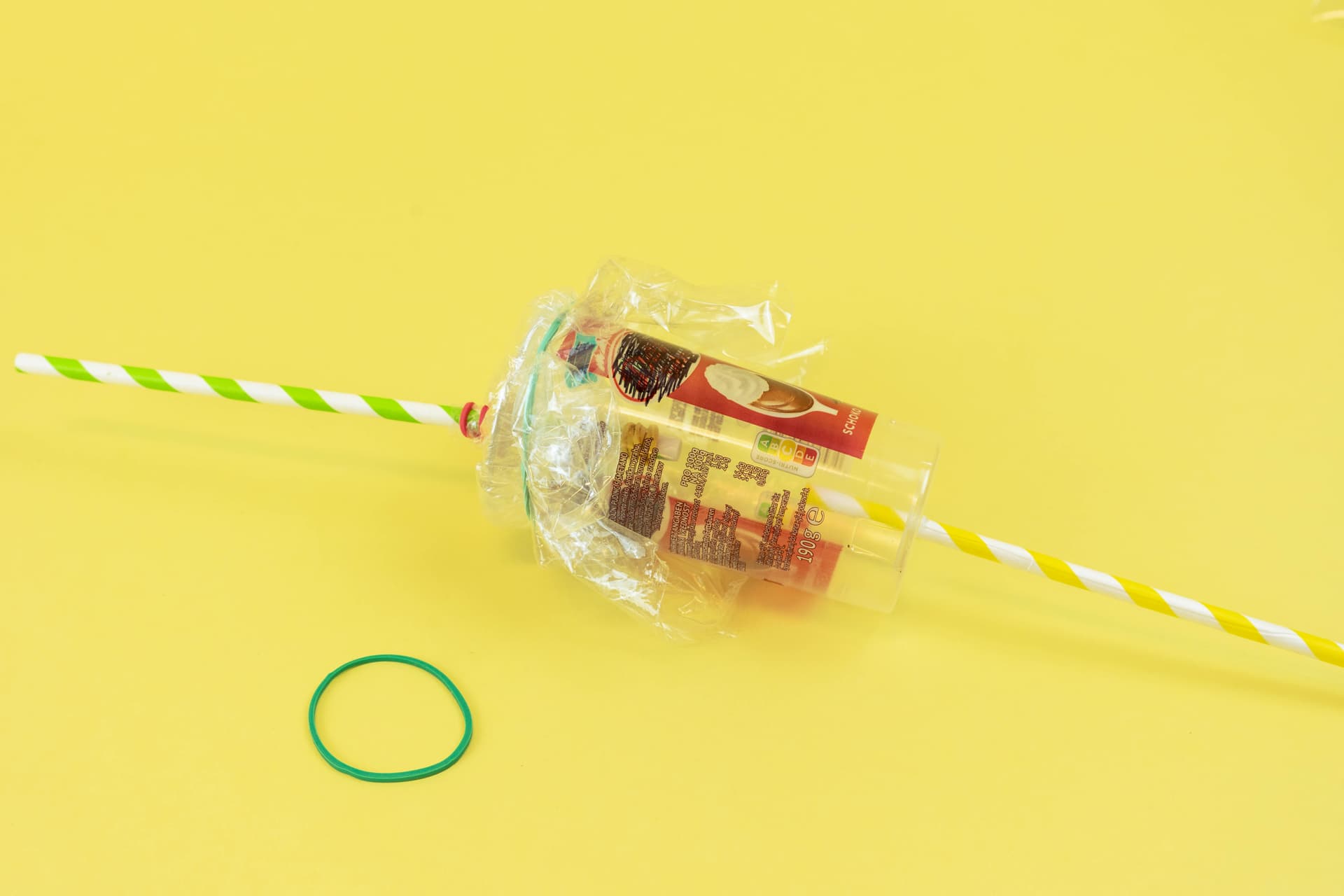
Imagine the exhaustor is like a special insect vacuum cleaner. Two tubes are attached to a cup. You use the tube with a net attached to the end and suck in air. Sucking in the air creates a vacuum, meaning there is less air in the cup than before. To equalize this negative pressure, air flows into the cup through the second hose. As you do this, hold the end of the hose over an insect. The airflow traps the insect inside the cup.
The great thing is that you catch it without even touching it!
Did you know?
Use the free “Seek” app to find out what kind of insect you caught with the Exhauster.
Start your experiment!
Naturalists use trapping devices to identify animals in their natural habitats. It’s exciting to find out which and how many different species live in your own backyard, in the forest, or in a nearby park. Build your own exhaustor and find out!
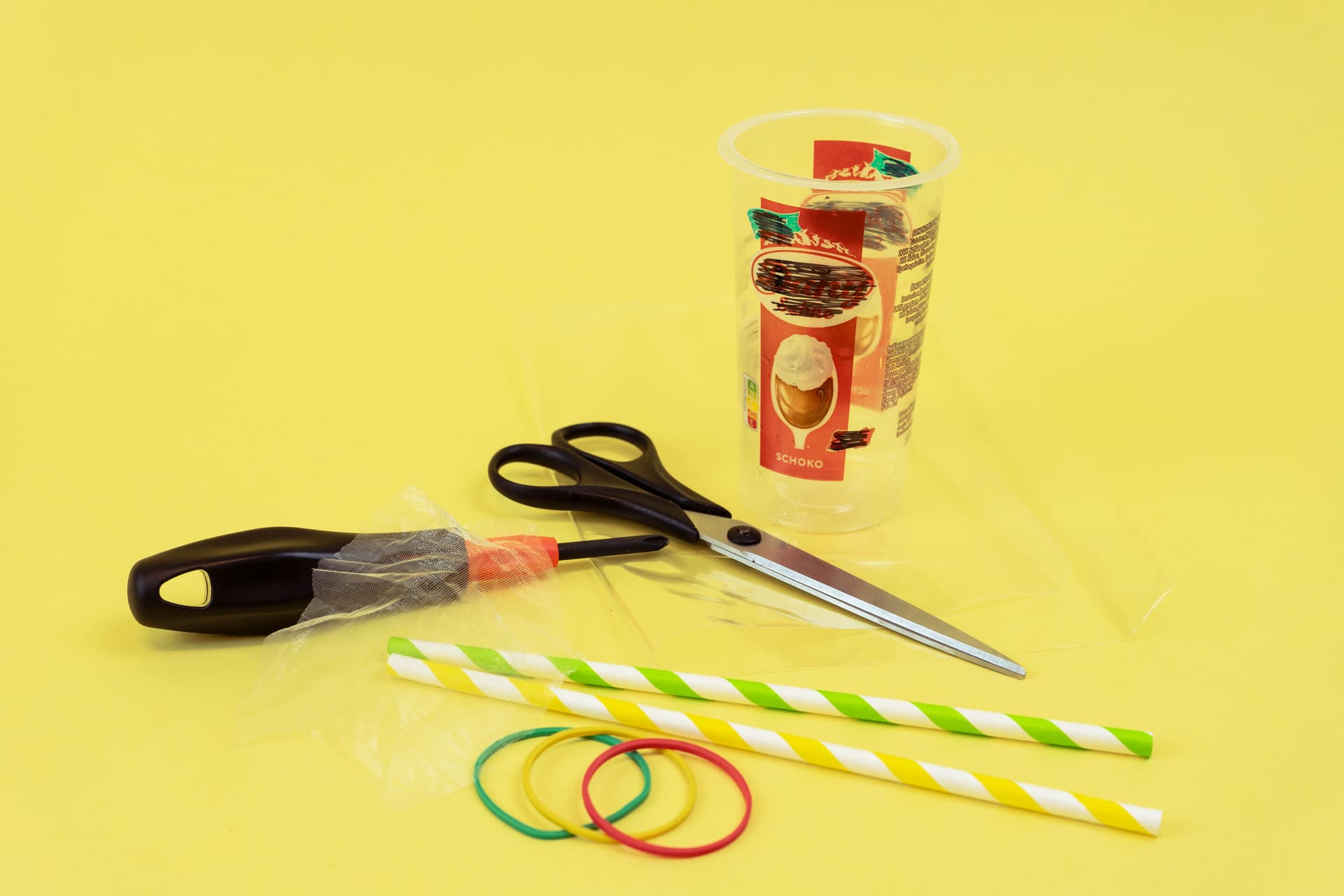
You need:
Clear yogurt cups (or a jam jar)
2 straws, as thick as possible (or a plastic tube)
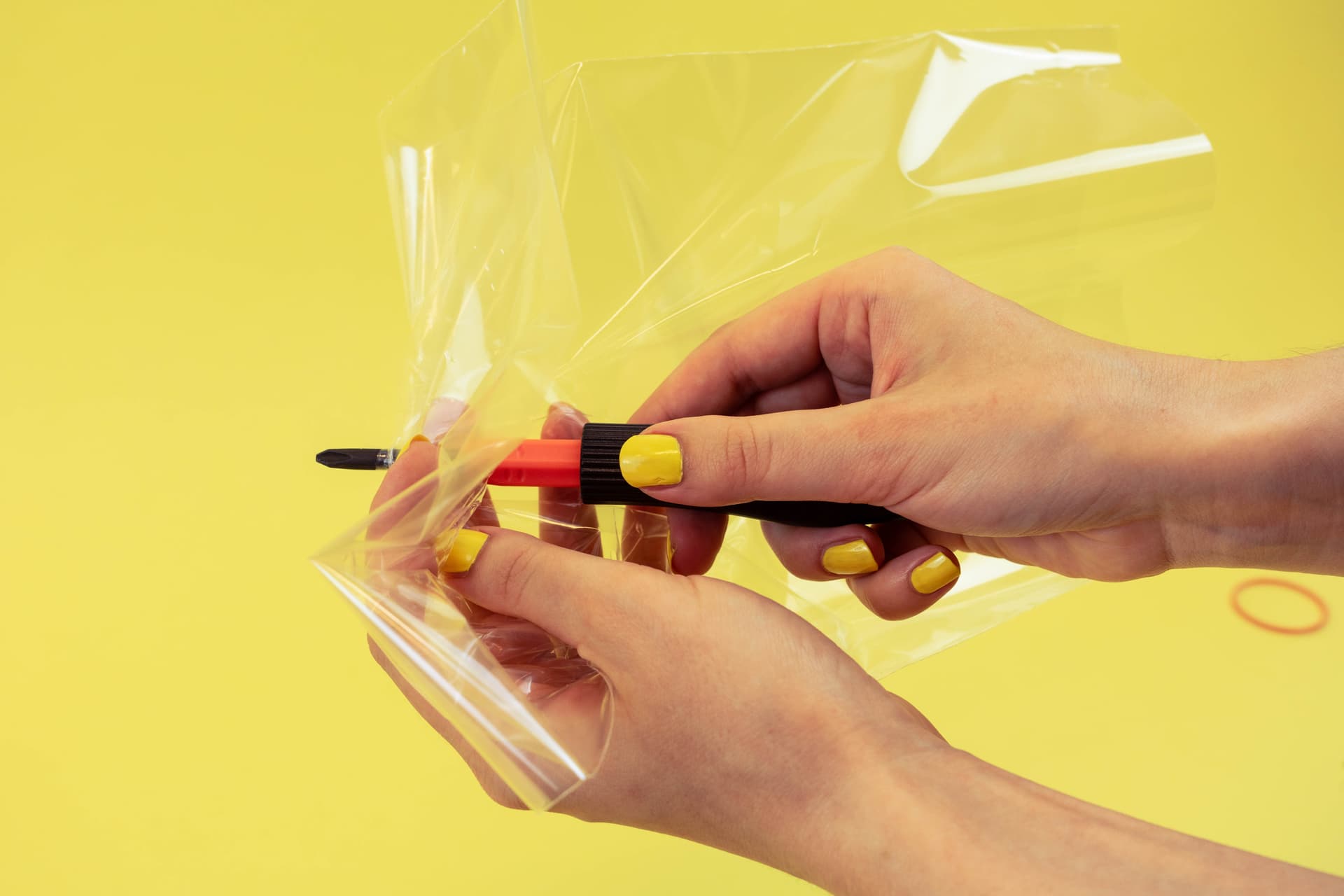
Drilling tool (e.g., sharp scissors, screwdriver, etc.)
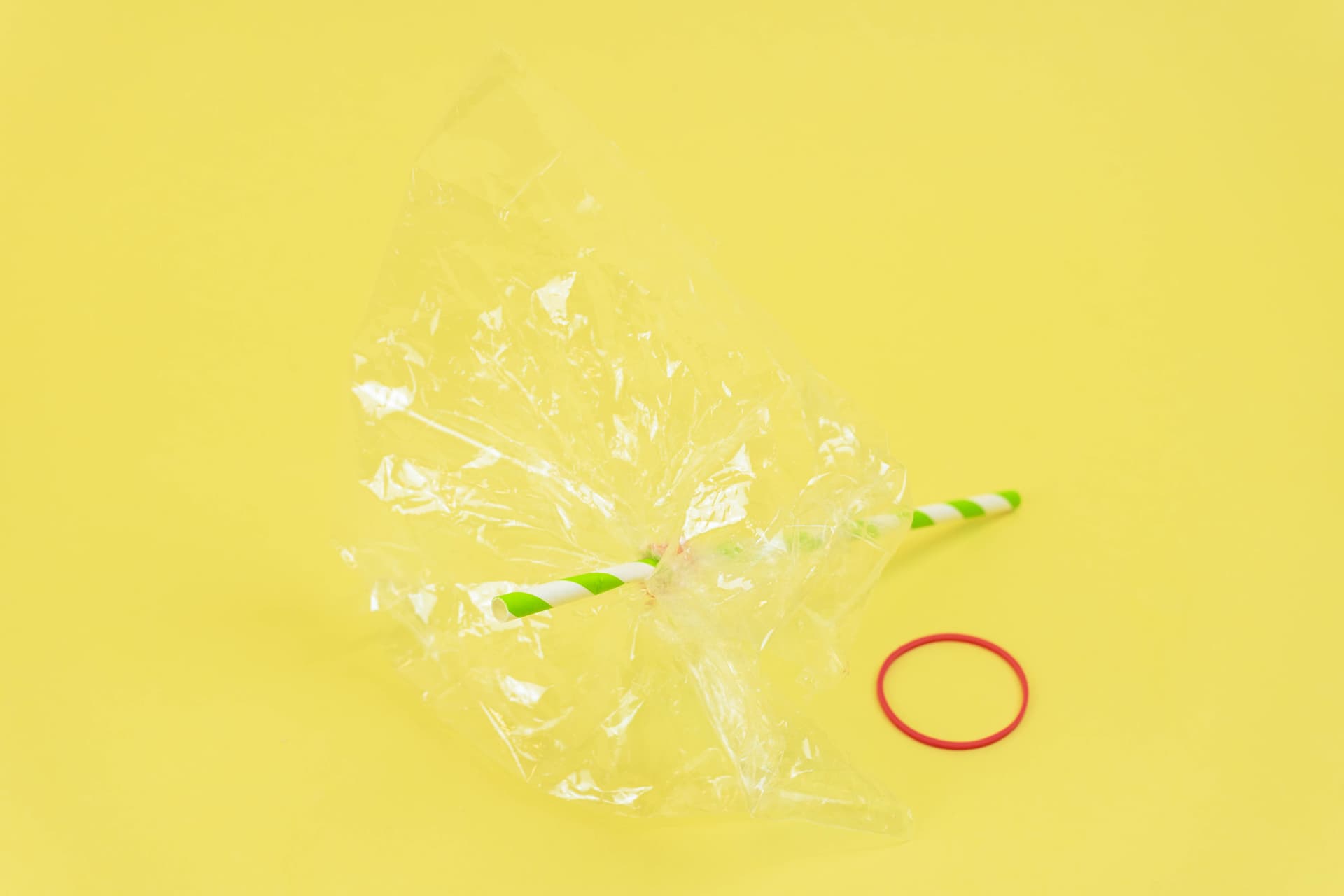
Airtight plastic wrap
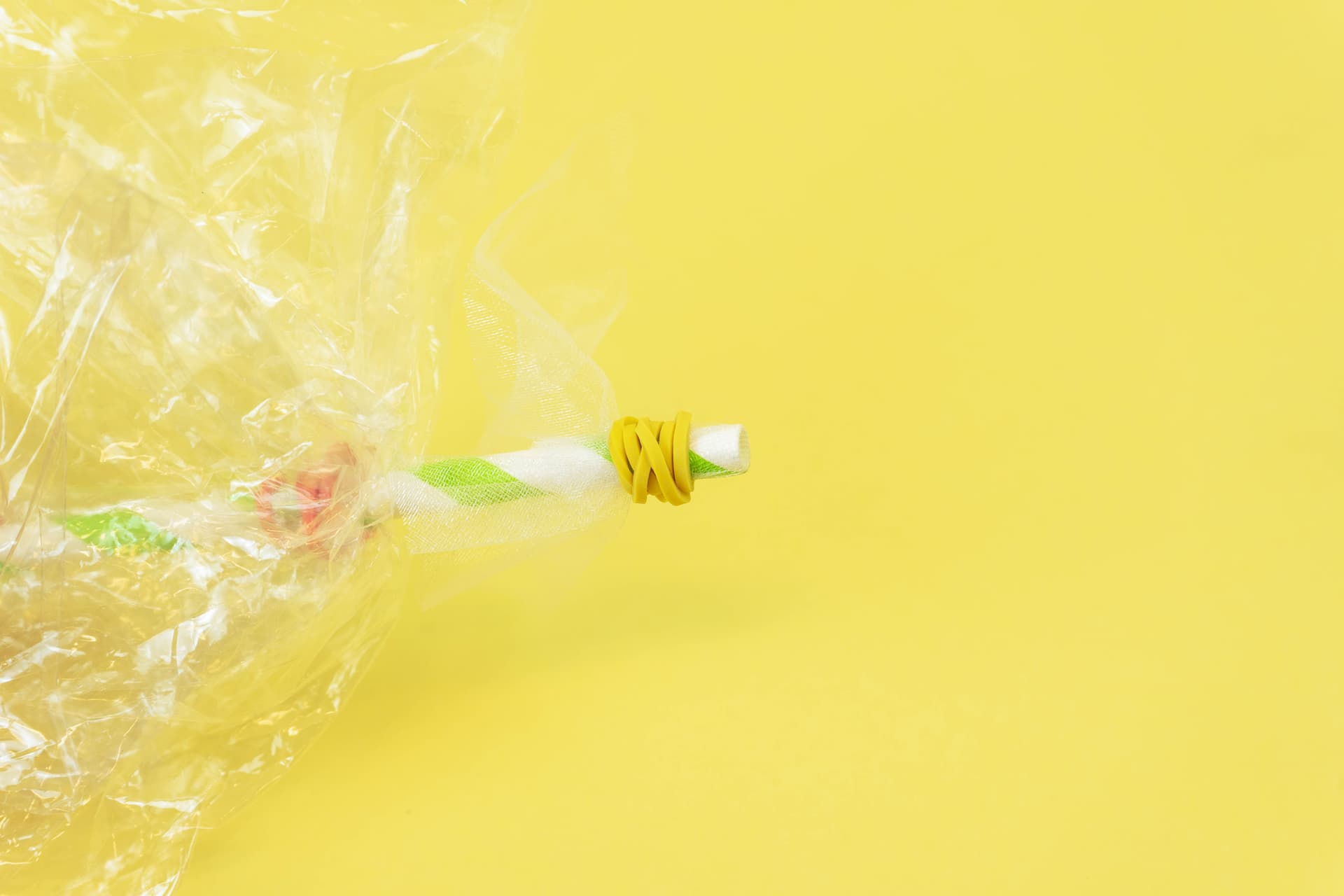
3 rubber bands
Fine mesh (or a thin piece of fabric)
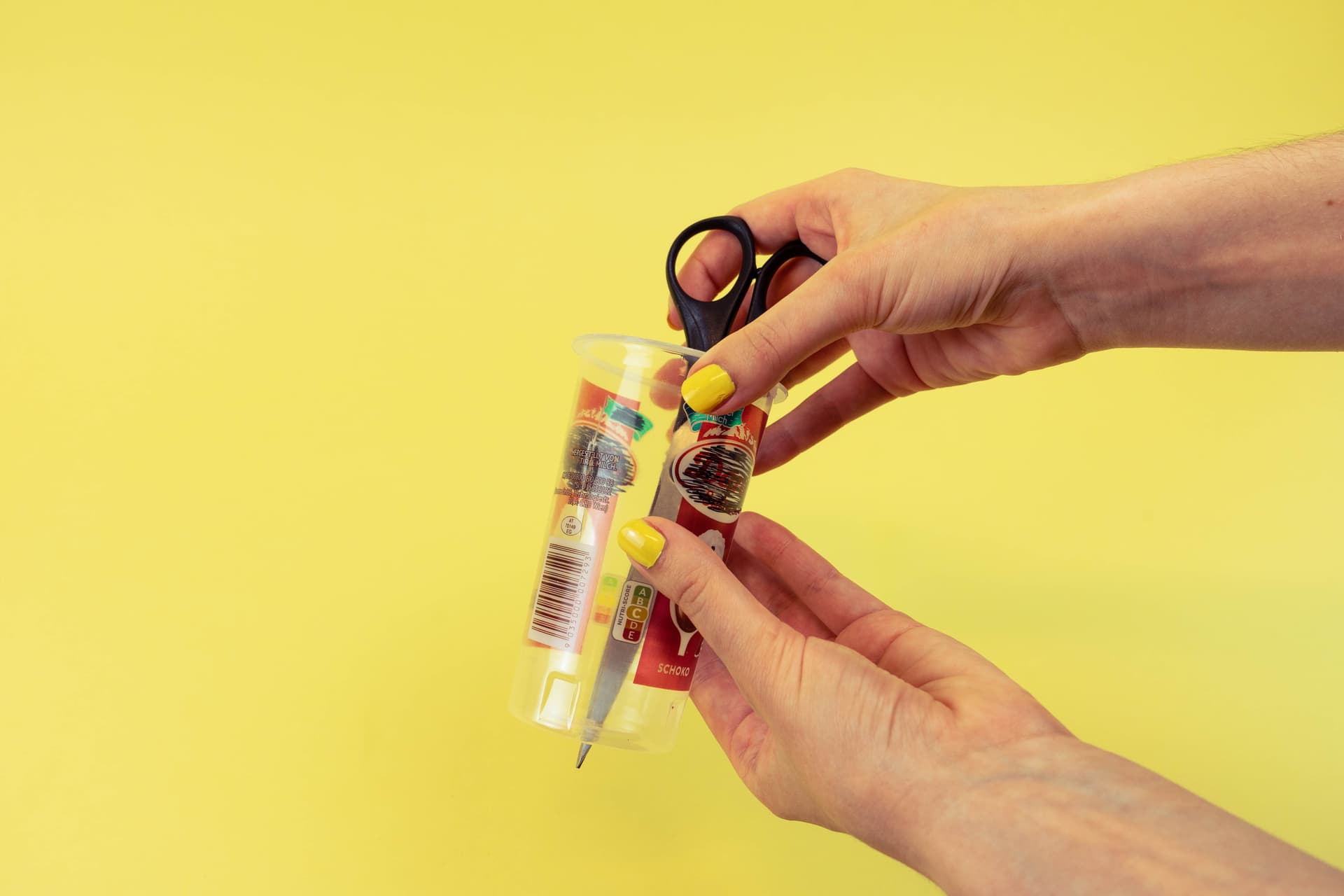
Step 1
Drill a hole in the bottom of the cup. The hole should be about the same diameter as the straws. If you want to drill, ask your parents for help.
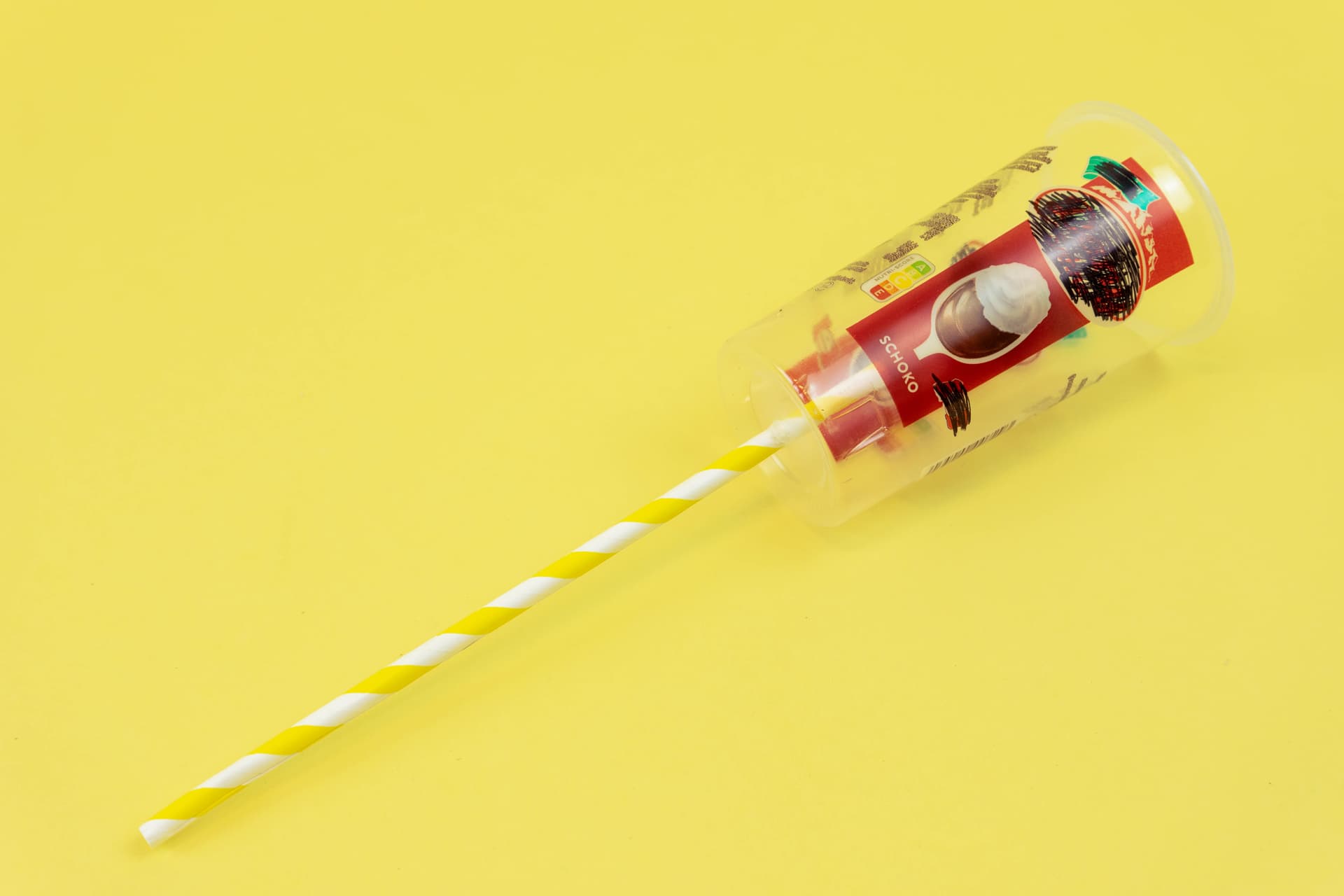
Step 2
Insert one of the straws through the hole so that a small piece sticks out into the cup.
Keep exploring!
Which animals are particularly easy to catch with the Exhaustor?
How many species of animals are found in the hedge, and how many in the meadow?
How do the animals found on tree trunks look compared to the insects that live in the meadow?
How many different species of animals do you find during different seasons?
Good to know!
It's important that, at the end of your observation, you release the animals back to where you found them. Also, don't put more than one animal in your container, as they might hurt each other.
Background knowledge
Biodiversity - that is, the variety of animal, plant, and fungal species—is a fascinating
field of research. Researchers study how many different species are found in a habitat. We are particularly pleased to see a high level of diversity among insects. They pollinate flowers, which in turn allow fruits such as apples, pears, and so on to develop. In general, a habitat with high diversity is better protected against drought and other disruptive factors.
At the ISTA Campus, there is a team of students, researchers, and other ISTA staff members who focus on sustainability issues.One project involves researching biodiversity on the campus grounds. Anyone can help out by recording the species they find in the “iNaturalist” app.