
Experiments
Osmose
In this experiment, you'll explore how water behaves on a tiny scale and discover how its hidden movements shape the world around us.
Teaching Ideas
Superintelligence or Stochastic Parrot
How do AI chatbots work, and what extensions make them more powerful? These educational materials explain the fundamental mechanisms behind Large Language Models (LLMs) and show how their capabilities can be enhanced through additional tools and methods.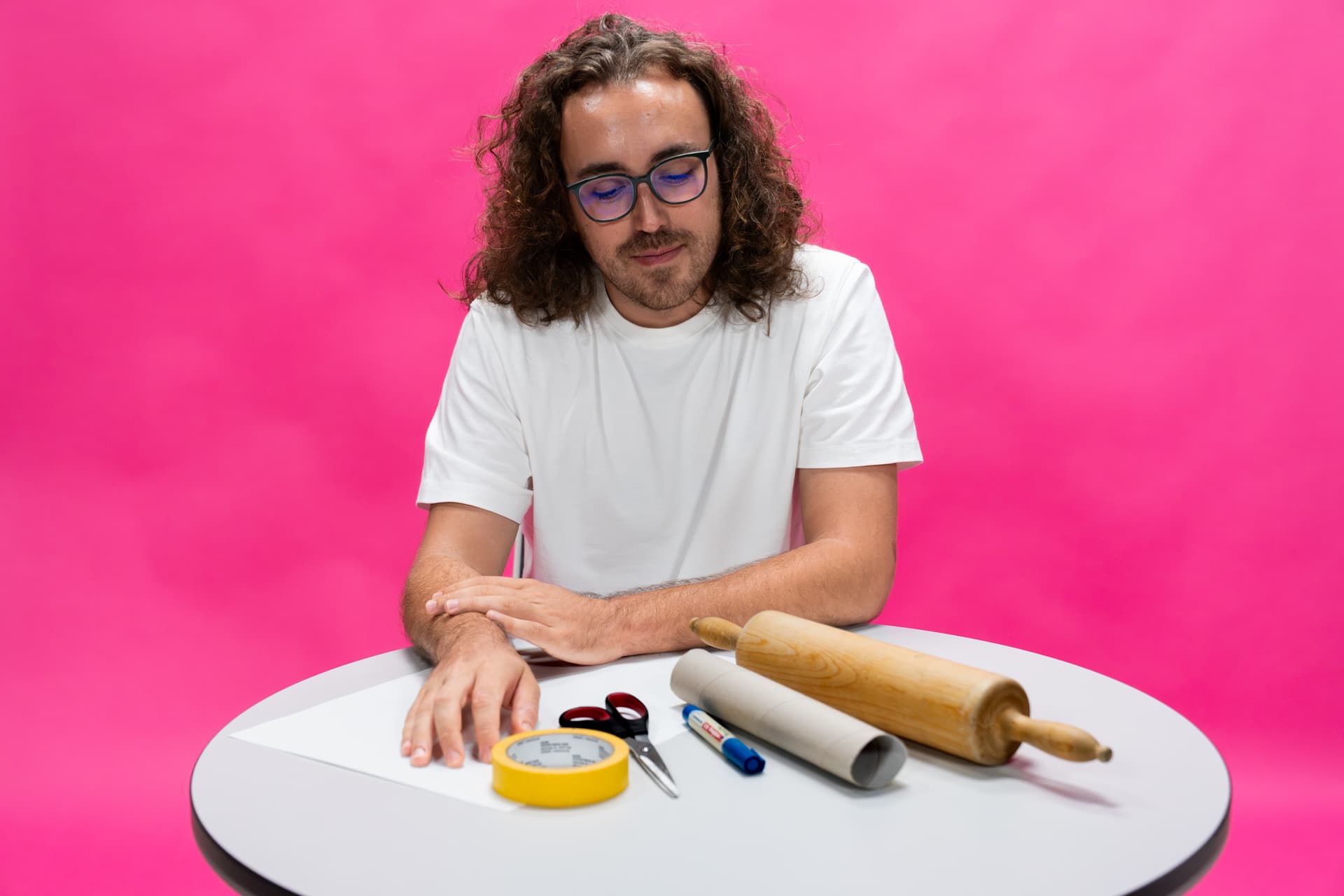
Experiments
Skytale
Have you ever wondered how people sent secret messages before computers existed?
Experiments
Exhaustor
Want to study animals in your garden? It helps to build your own trapping device!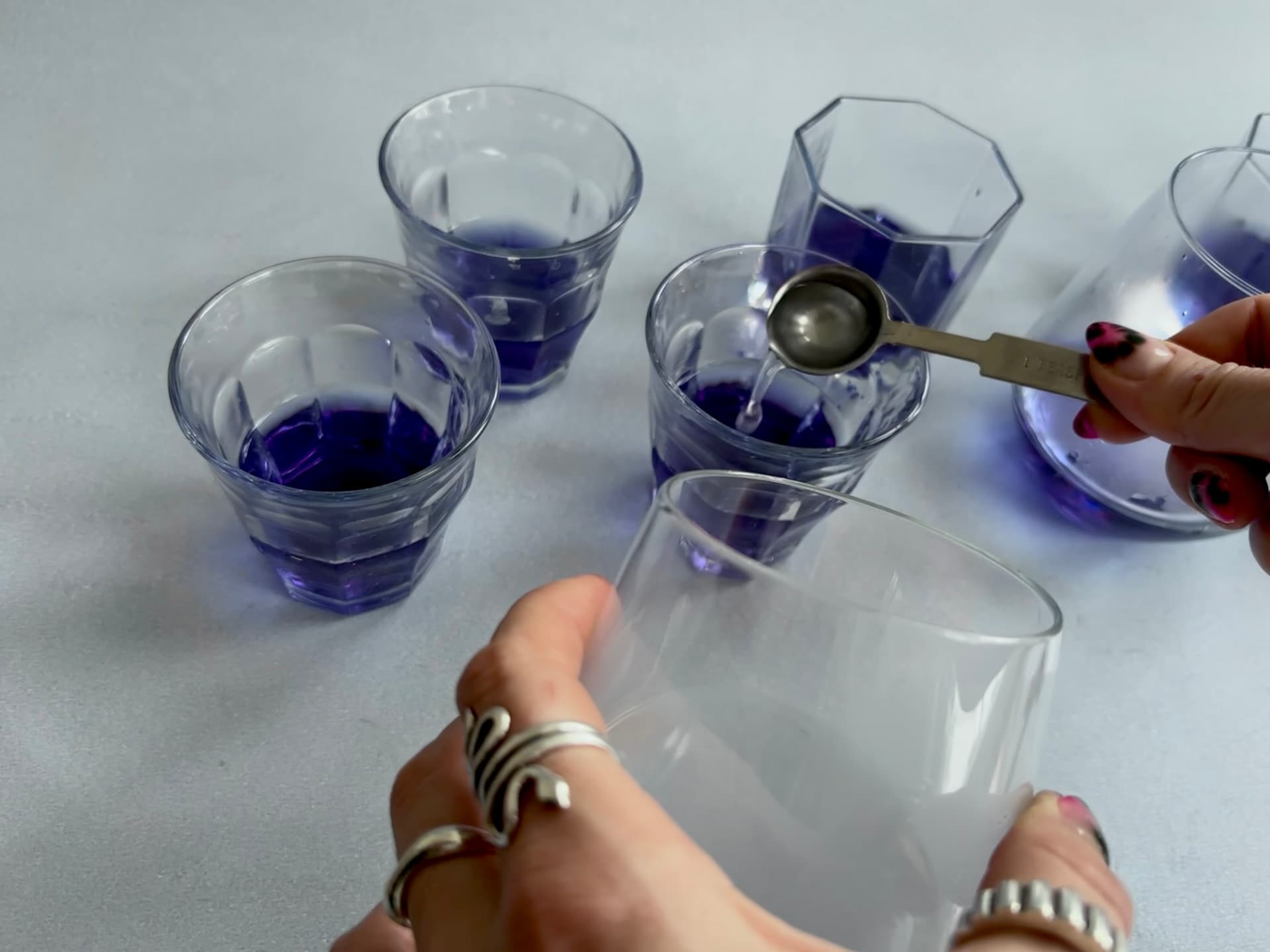
Experiments
Acidic, basic, colorful - your DIY pH scale
Did you know that some liquids can change color, as though by magic? Find out how it works!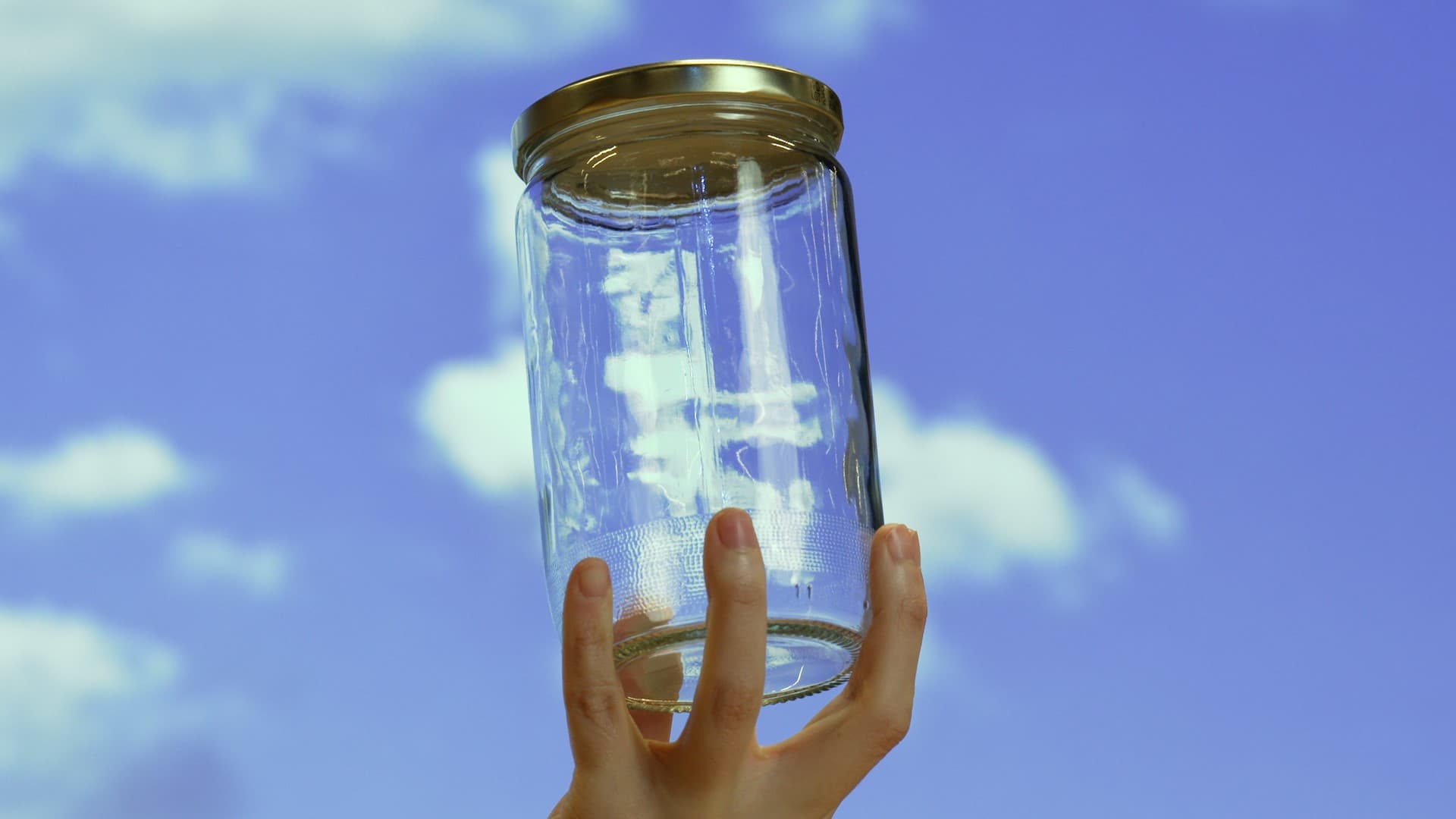
Experiments
A storm in a pickle jar
Do you believe a whole storm cloud can fit into a pickle jar? Give it a try!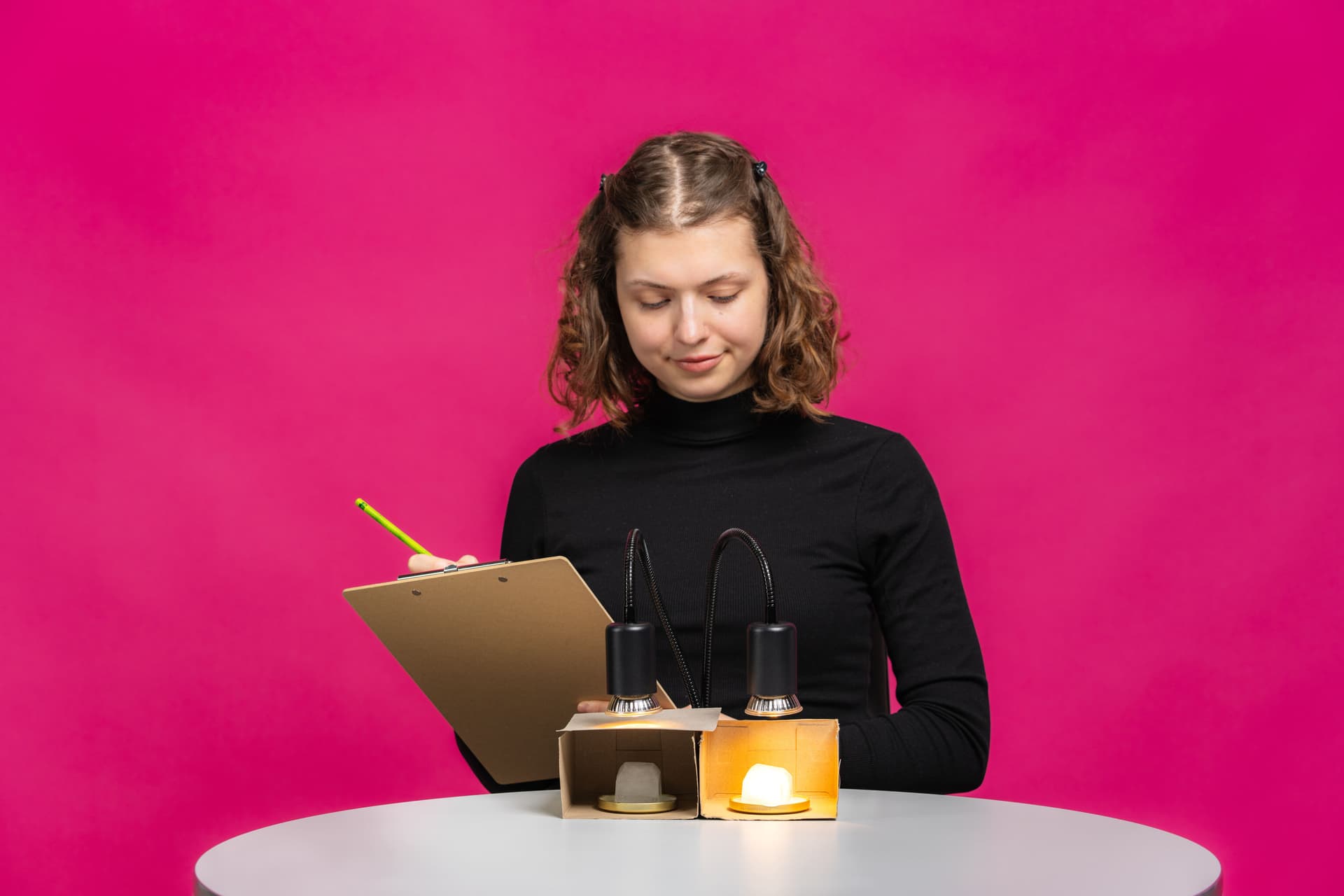
Experiments
Clouds and heat
Learn more about the impact of clouds and find out whether the Earth would be warmer or colder without them.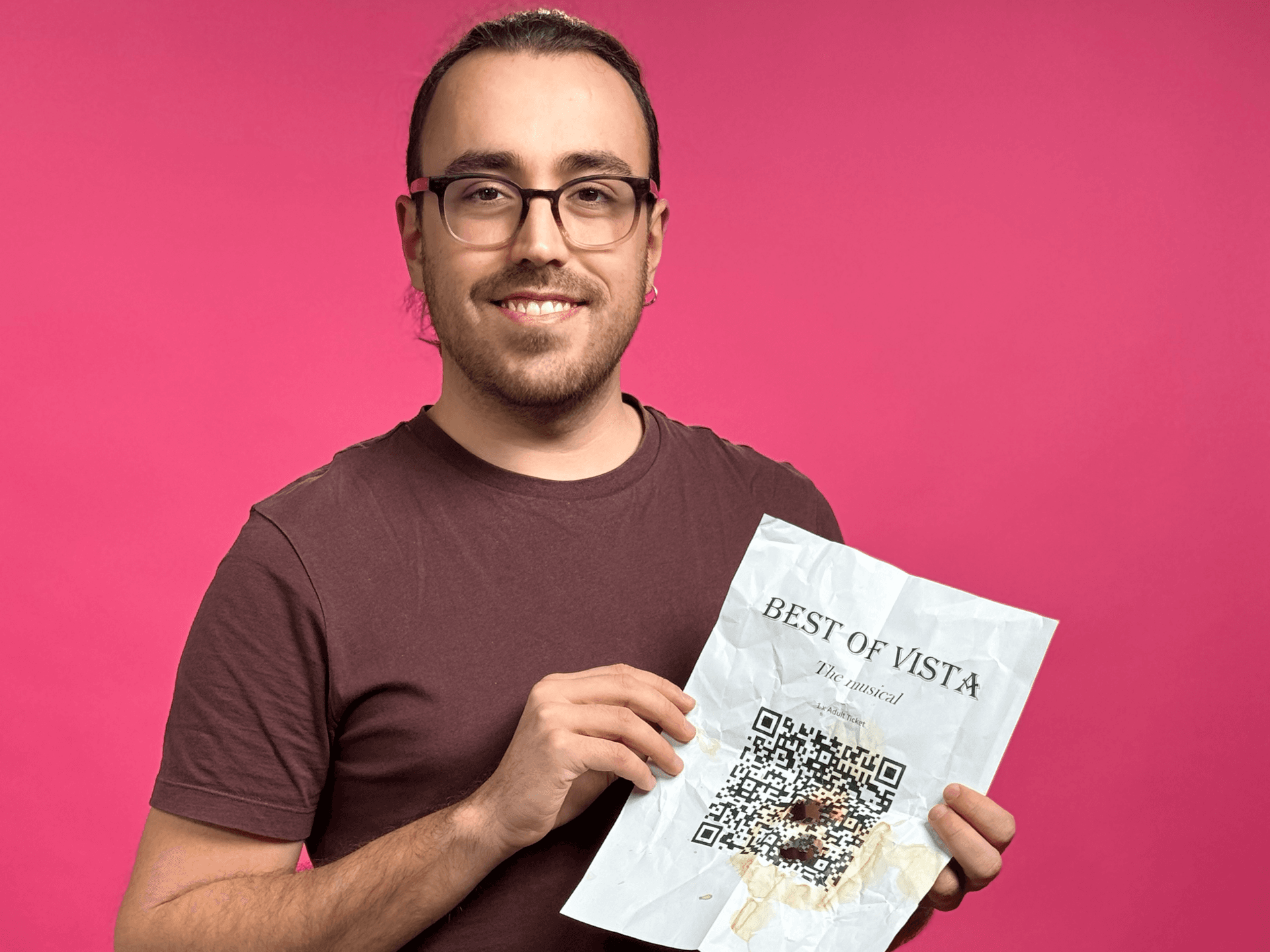
Experiments
QR codes and their magical properties!
Discover the fascinating world behind the little squares in this experiment.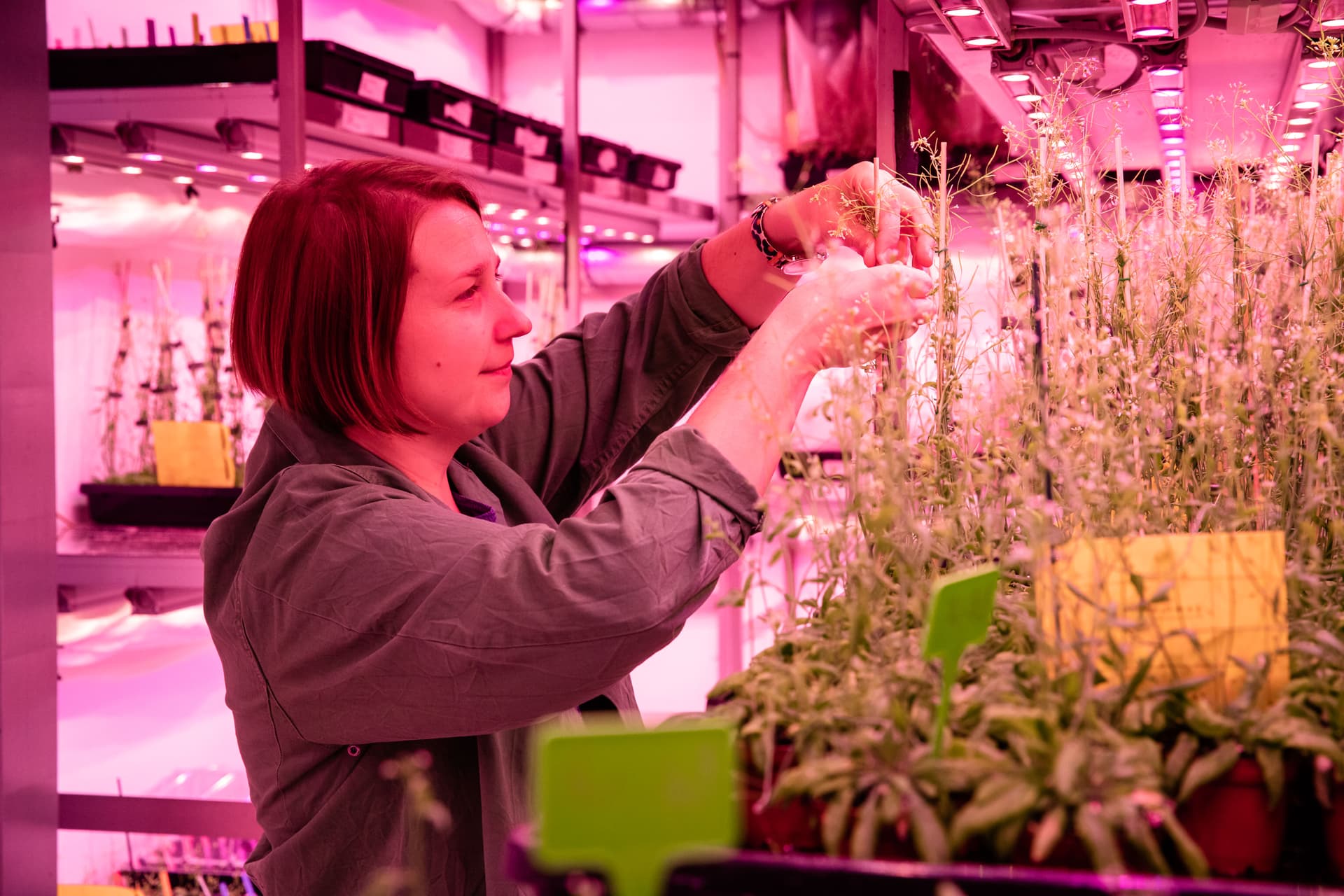
Articles
Gardening for science
Mutants are growing in one of the basement rooms at the Institute of Science and Technology Austria (ISTA). But instead of monsters, these are small plants that serve as living subjects for science. This is the realm of Dorota Jaworska, the institute's plant facility technician, who takes care of thousands of small experiments.
Experiments
Floating ink
Have you ever seen how some animals can walk on the surface of puddles without sinking? Or how water forms round beads on the leaves of some plants without making the leaf wet?
Experiments
Predict the weather!
Can you predict today whether it will rain tomorrow? With this homemade device, you can become a weather researcher and observe how air pressure changes along with the weather!
Experiments
The blueprint of a strawberry
Did you know that all living things are related to each other? From the smallest algae to the largest whale, and even us humans—we are all like one big family. But why do we look much more like our parents than an elephant or a toadstool? The answer is hidden in the nucleus of every cell—there is a blueprint that determines how every living thing looks and functions.
Experiments
Plant maze
Have you ever wondered why plants always grow toward the light? In this experiment, we will build a maze for a plant and observe how it finds its way to the light.
Experiments
Entfessel das Chaos
Hast du dich schon einmal gefragt, warum es so schwierig ist, das Wetter, Erdbeben, Verkehr, Asteroidenbahnen oder die nächste Pandemie genau vorherzusagen?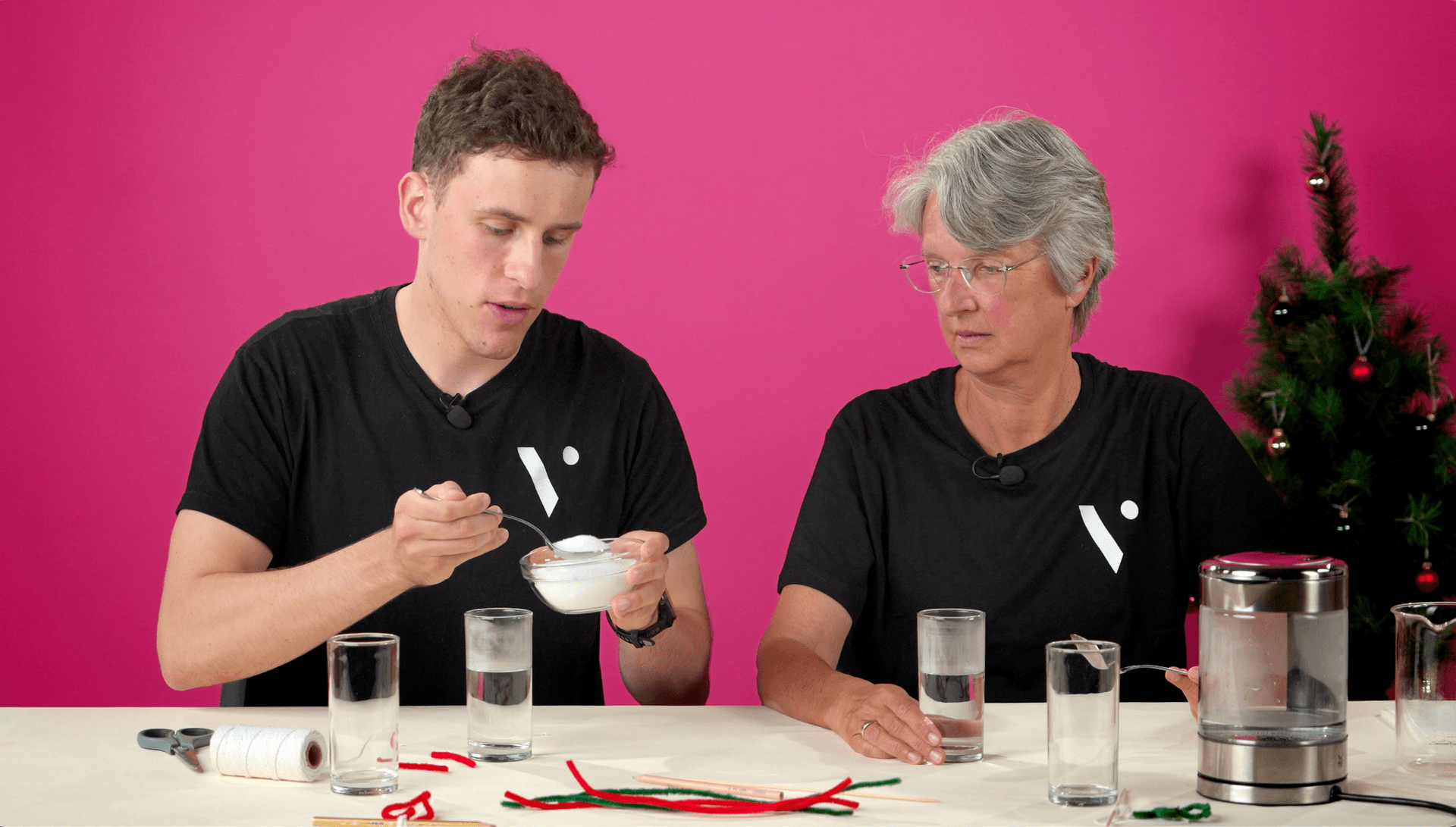
Experiments
Grow your own sparkling crystals
Crystals look like little treasures — sparkling and beautifully shaped. You can think of gemstones or snowflakes. In this experiment, you can grow your own crystal using very simple materials.
Experiments
Floating pictures
What if you could turn a two-dimensional video into an impressive 3D spectacle?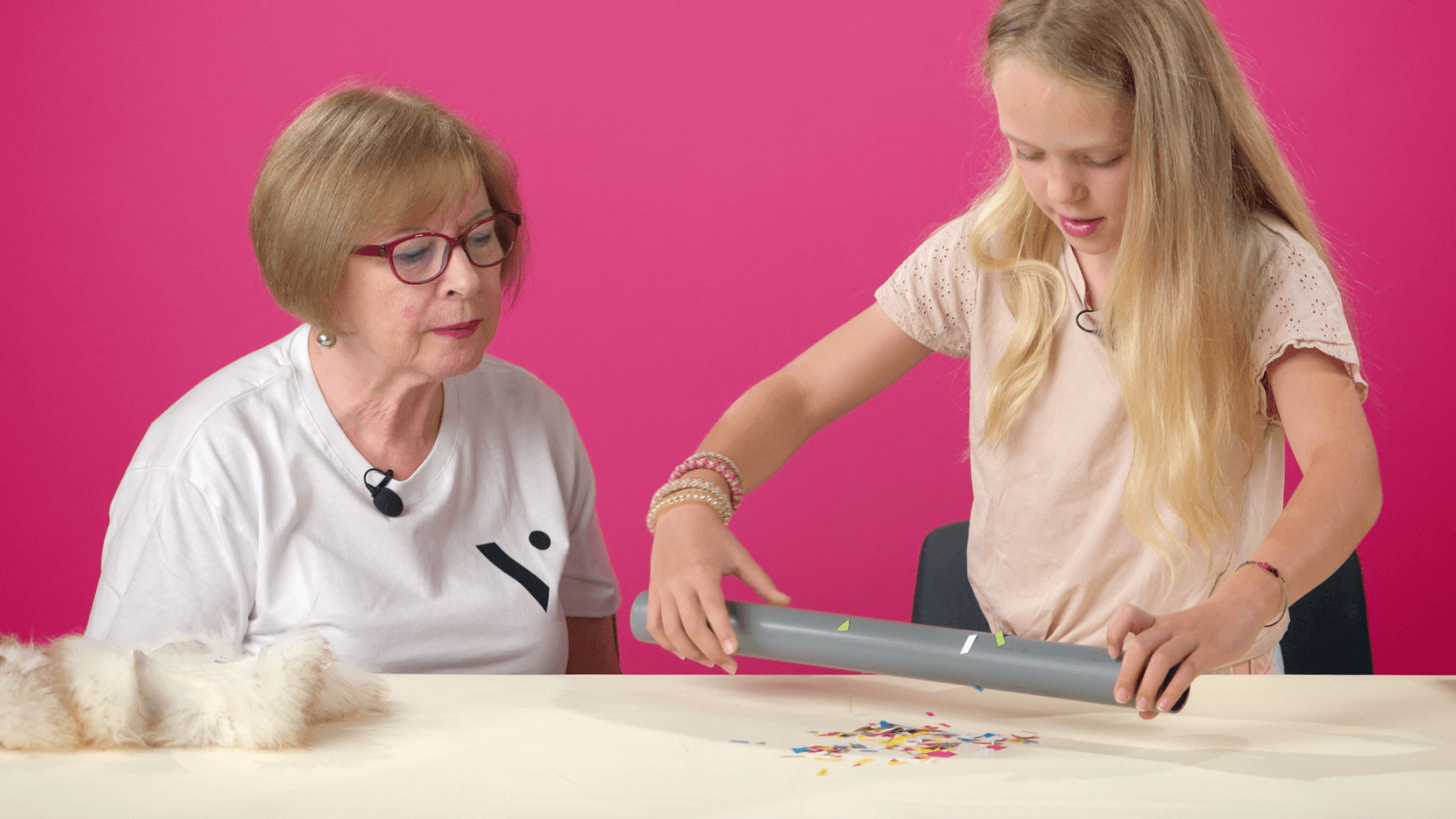
Experiments
Mysterious forces
Have you ever wondered why your hair sometimes stands on end when you comb it, or why a balloon sticks to a wall? These are examples of a physical phenomenon called electrostatics!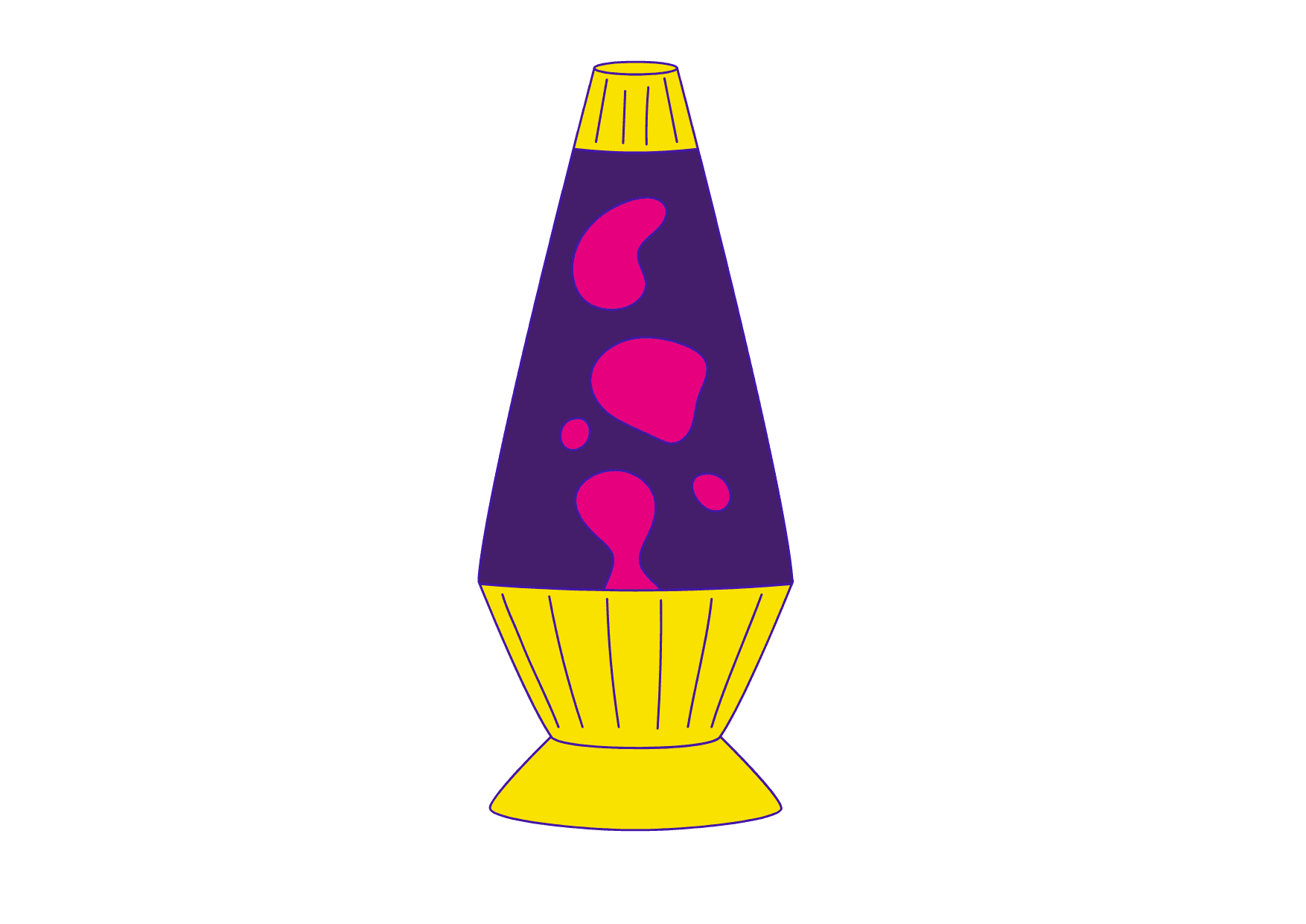
Experiments
Lava lamp
Have you ever wondered how a hurricane forms? Warm water evaporates and causes warm, humid air masses to rise fast and high. Cold air is heavier and sinks. The cold and warm air masses begin to rotate in a spiral due to the Earth’s rotation (Coriolis force).
Experiments
Explore your sense of touch
Have you ever wondered why some parts of your body are more sensitive than others? With this experiment, you can find out how well you can feel in different parts of your body.
Experiments
Taming Light Rays
How do you draw a sun? A round, yellow spot with rays? But did you know that you can't actually see rays of light? We only see light when it enters our eyes. When light travels through space as a ray, we normally can't see the ray itself. Unless we use a trick!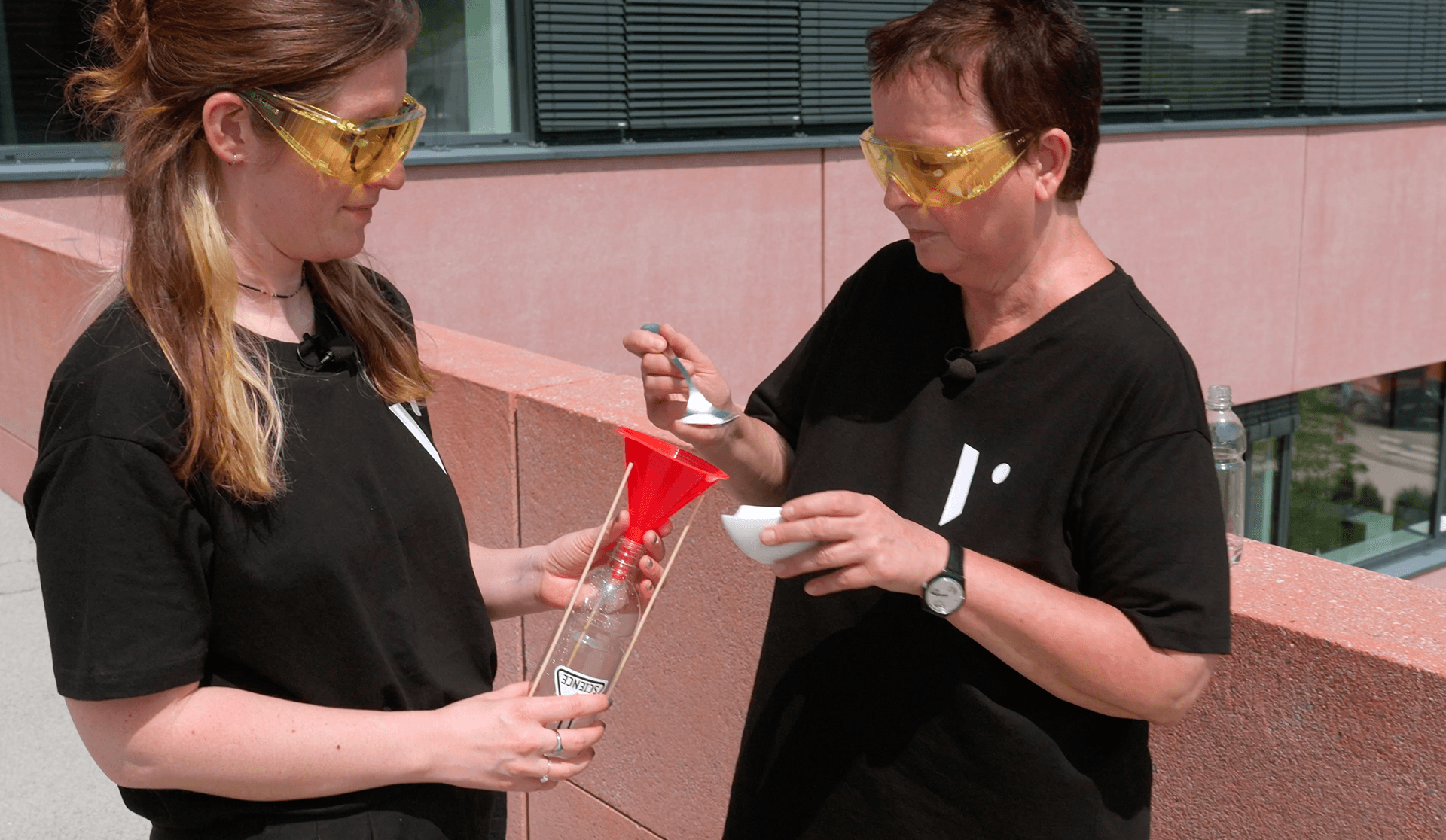
Experiments
The rocket fueled by kitchen supplies
There are many different ways to make things fly. For example, you can throw a ball. Birds fly by flapping their wings. Airplanes have turbines for this purpose. All these methods have one thing in common: a driving force.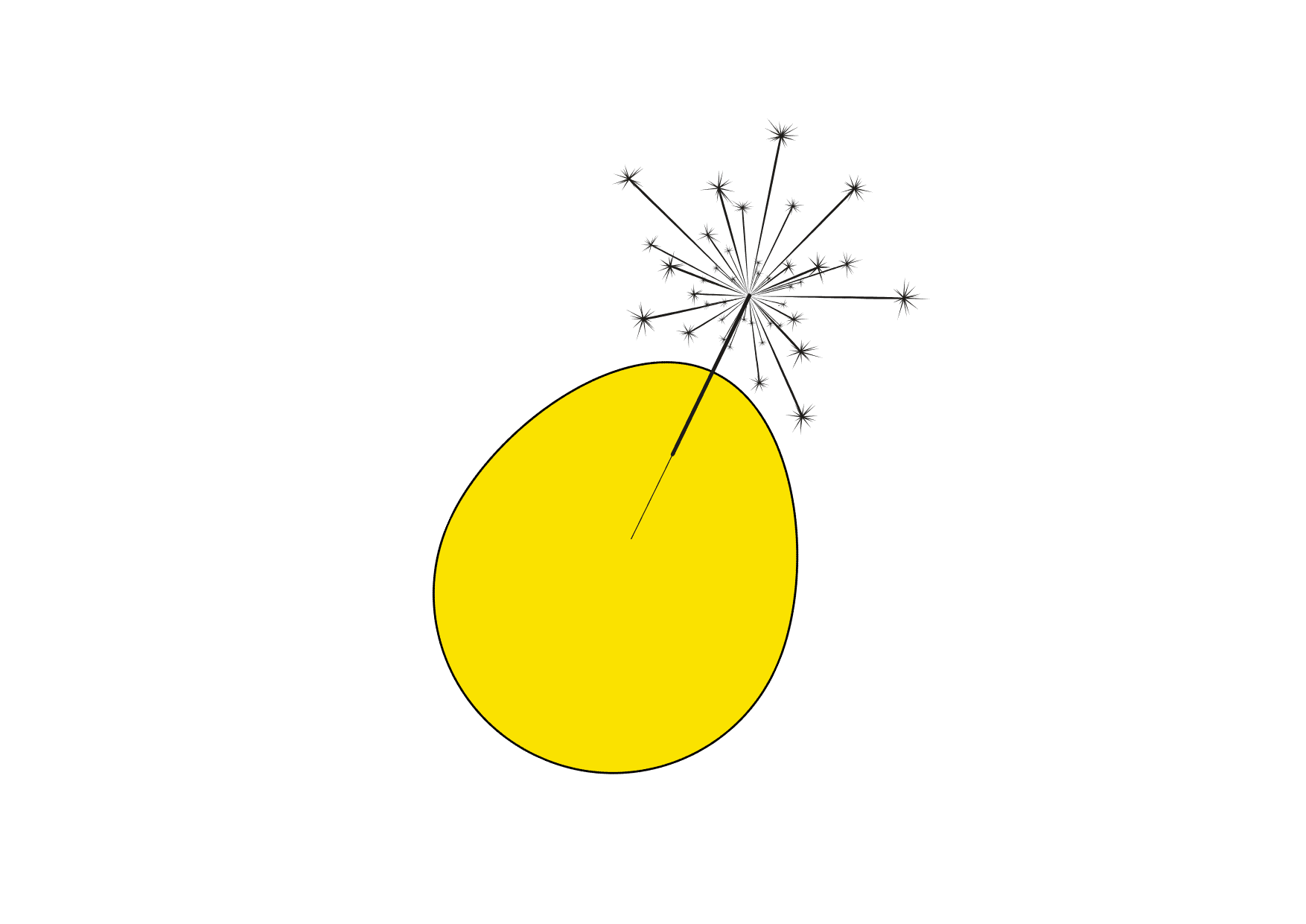
Experiments
The Christmas Egg
Have you ever wondered what sparklers are made of? Imagine that a sparkler is a small factory for bright stars.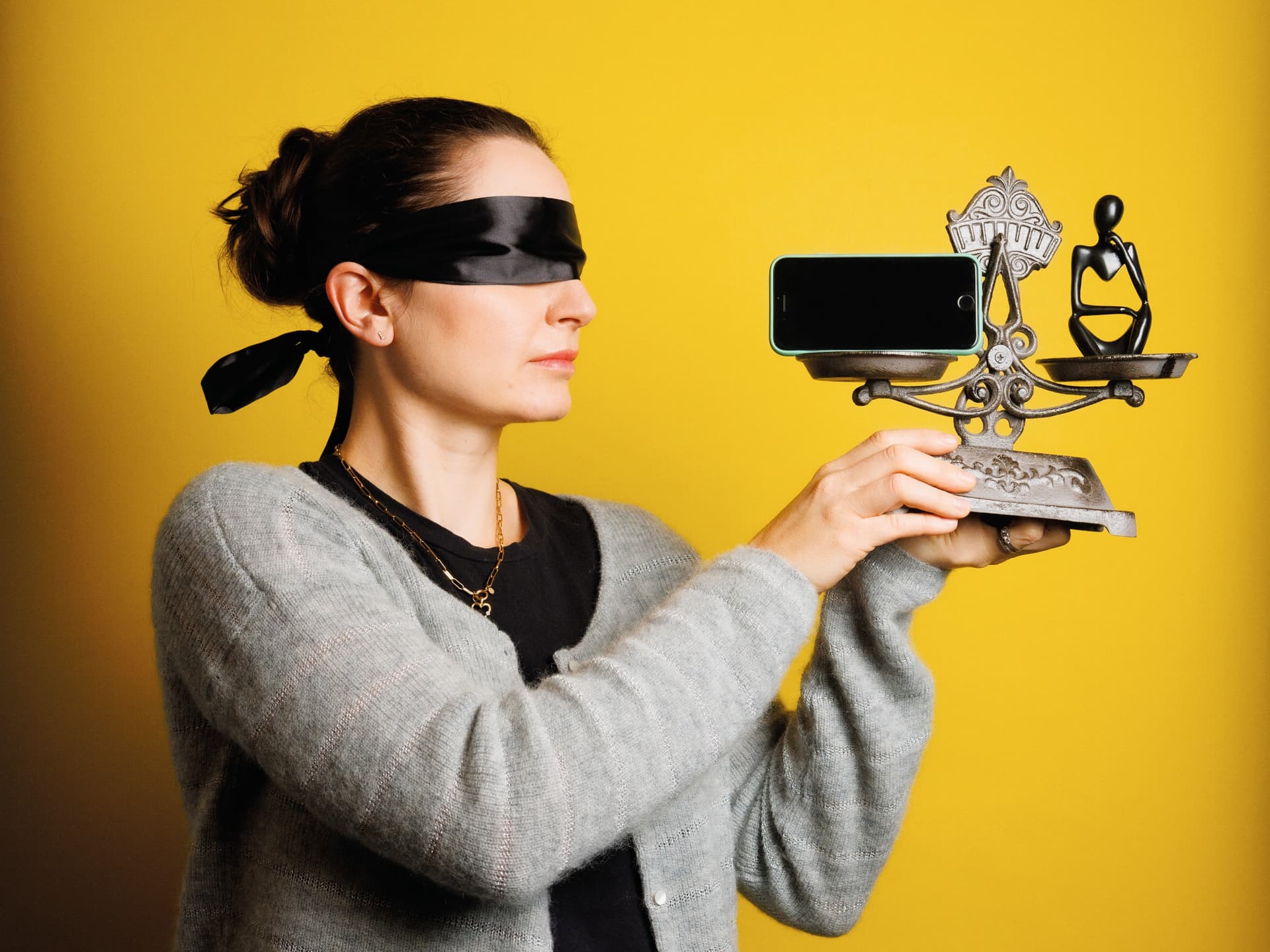
Teaching Ideas
#STEMLooksLikeMe
Discover creative teaching ideas with #STEMlooksLikeMe that make STEM subjects accessible to everyone. Our inclusive resources help you inspire students and spark their passion for science, technology, engineering, and mathematics.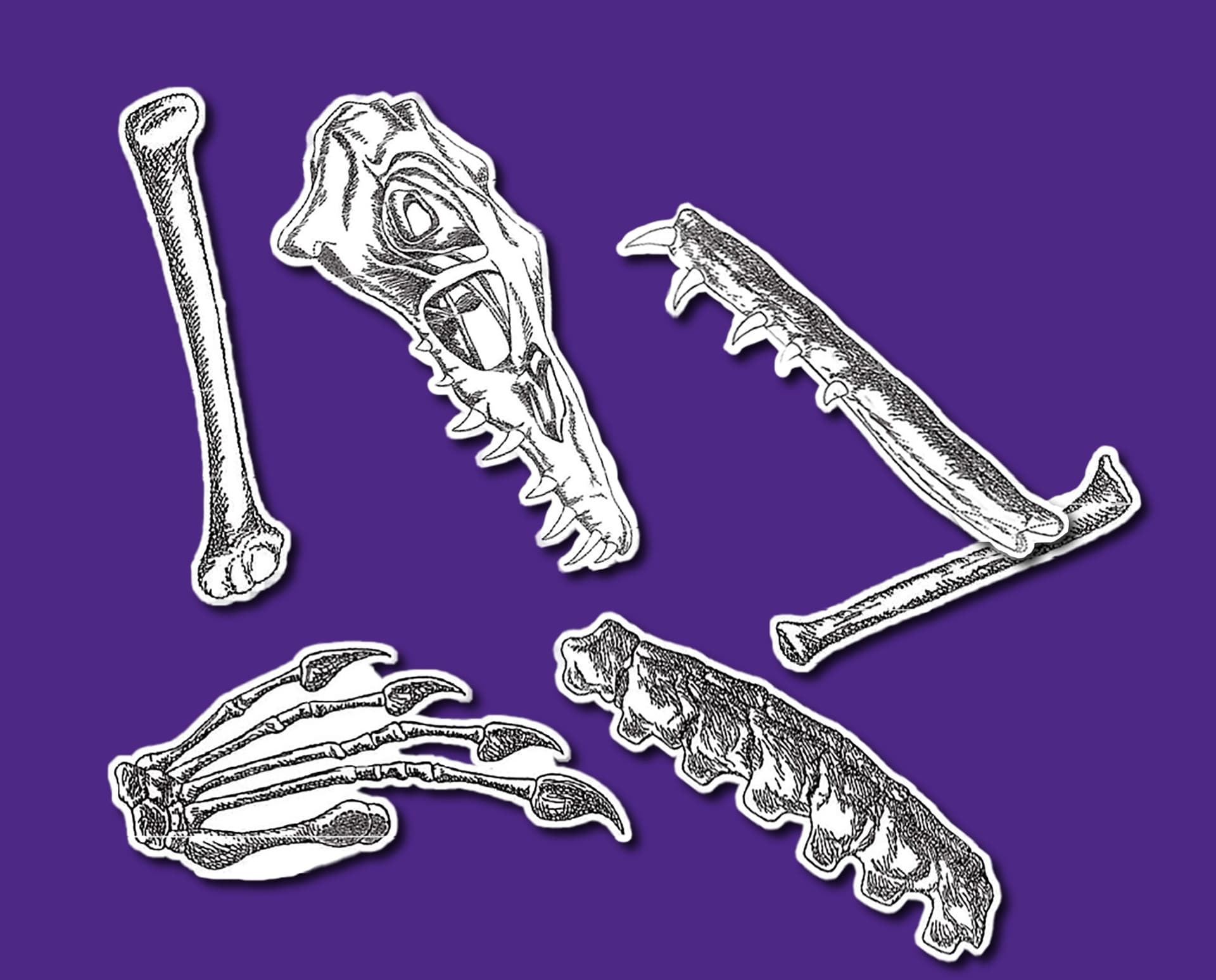
Teaching Ideas
The Great Bone Hunt
In this project, students take on the role of a paleontologist. They examine bones and consider what the animal might have looked like and in which habitat (water, air, land) it might have lived.
Articles
The First World Day for Glaciers
Glaciers are rapidly melting, a warning sign of the impact of climate change. On the occasion of the first World Day for Glaciers, we spoke with ISTA Professor Francesca Pellicciotti.
Teaching Ideas
Talking Science
Visits by scientists to classrooms are a great way to get students excited about research, address stereotypical everyday ideas about science, and discuss how science works and creates new knowledge.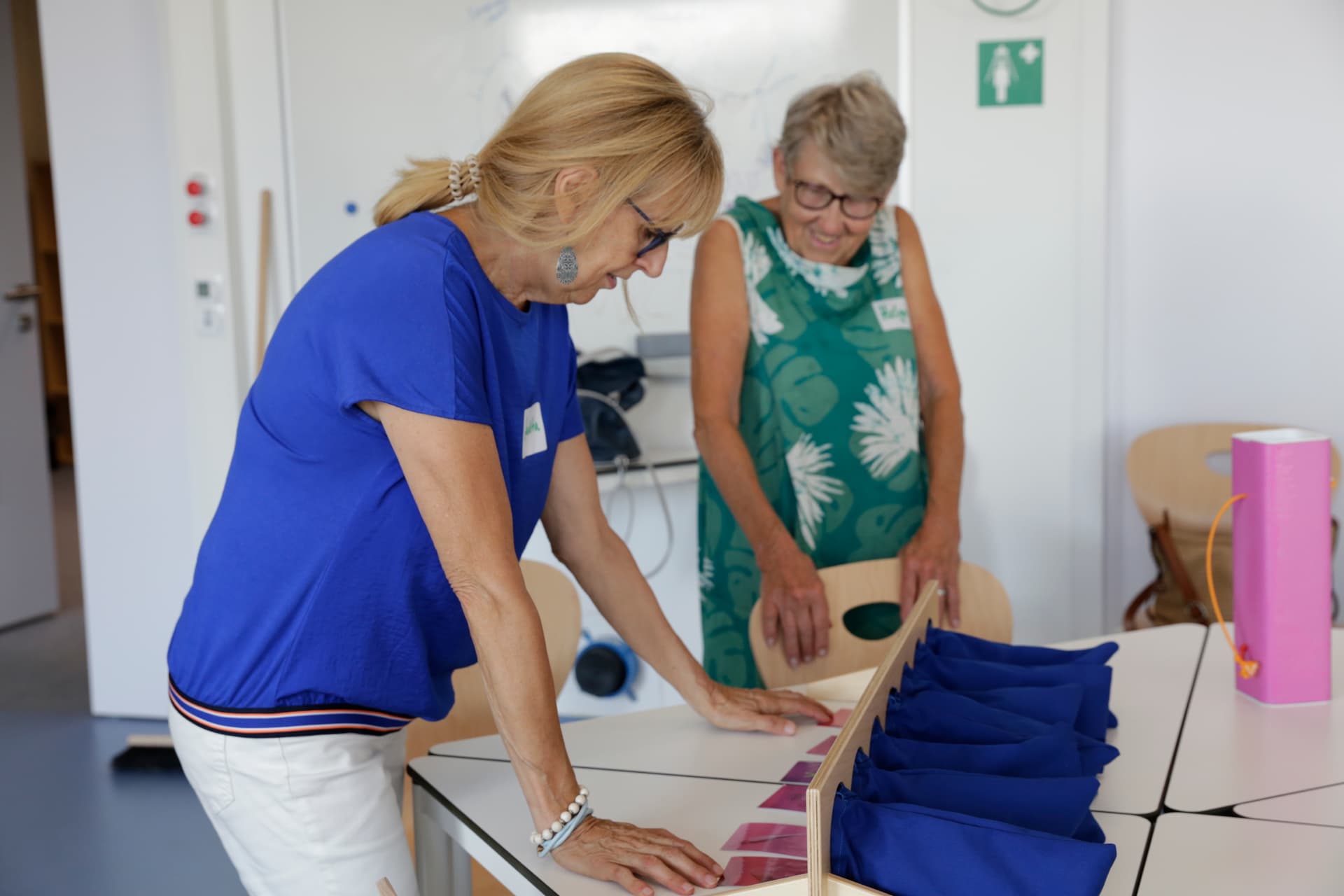
Articles
Ask the Science Grandma!
“Ask Science Grandma!” – an initiative that brings together women aged 60+ and children to explore the world of science. With interactive workshops, lectures, and exciting experiments, the project not only promotes intergenerational learning but also gives women aged 60 and over the opportunity to actively participate in science education.
Experiments
Train your own Artificial Intelligence!
Have you ever wondered how your smartphone recognizes your face or how voice assistants like Alexa and Siri work? They use artificial intelligence (AI) to learn from experience!
Experiments
Does practice make perfect?
Have you ever wondered whether practice really helps you get better at something? In this experiment, you can measure for yourself how much practice helps you to memorize movement sequences better.
Experiments