Experiment
Osmosis
The hidden movement of water
Water is always on the move – even when we can't see it! From the water running from the tap to meltwater flowing from glaciers, water never truly rests. It can slip through the tiniest openings and move in ways invisible to our eyes. In this experiment, you'll explore how water behaves on a tiny scale and discover how its hidden movements shape the world around us.

With Scientist Anna Pellizzer
Age: 28 years
Research: Neuroscience
How does it work?
Osmosis is the process by which water moves from a place with a higher concentration to a place with a lower concentration, passing through tiny openings in a semi-permeable barrier. Gummy bears are made of a jelly-like network that lets water through but keeps their sugar trapped inside. What do you think will happen when we place them in different solutions?
Did you know?
Osmosis is the same process that plant roots use to absorb water from the soil.
Let’s get started!
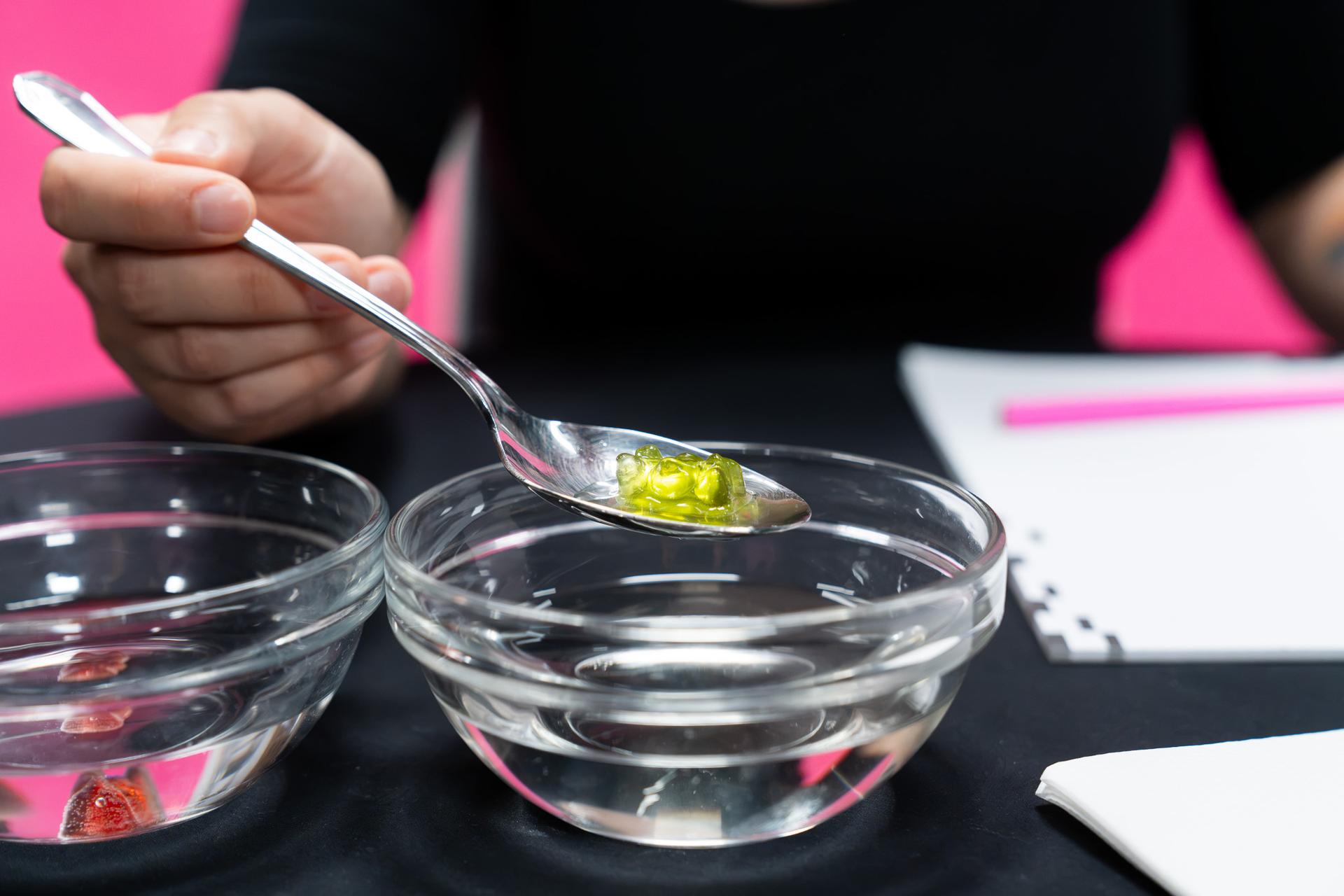
With a simple experiment from your kitchen, you can observe how water moves through a barrier – and even makes gummy bears grow. Get started and find out just how big the difference between the two solutions really is!
You will need:
Gummy bears
2 cups or small bowls
Measuring cup
Water
Sugar
Tablespoons
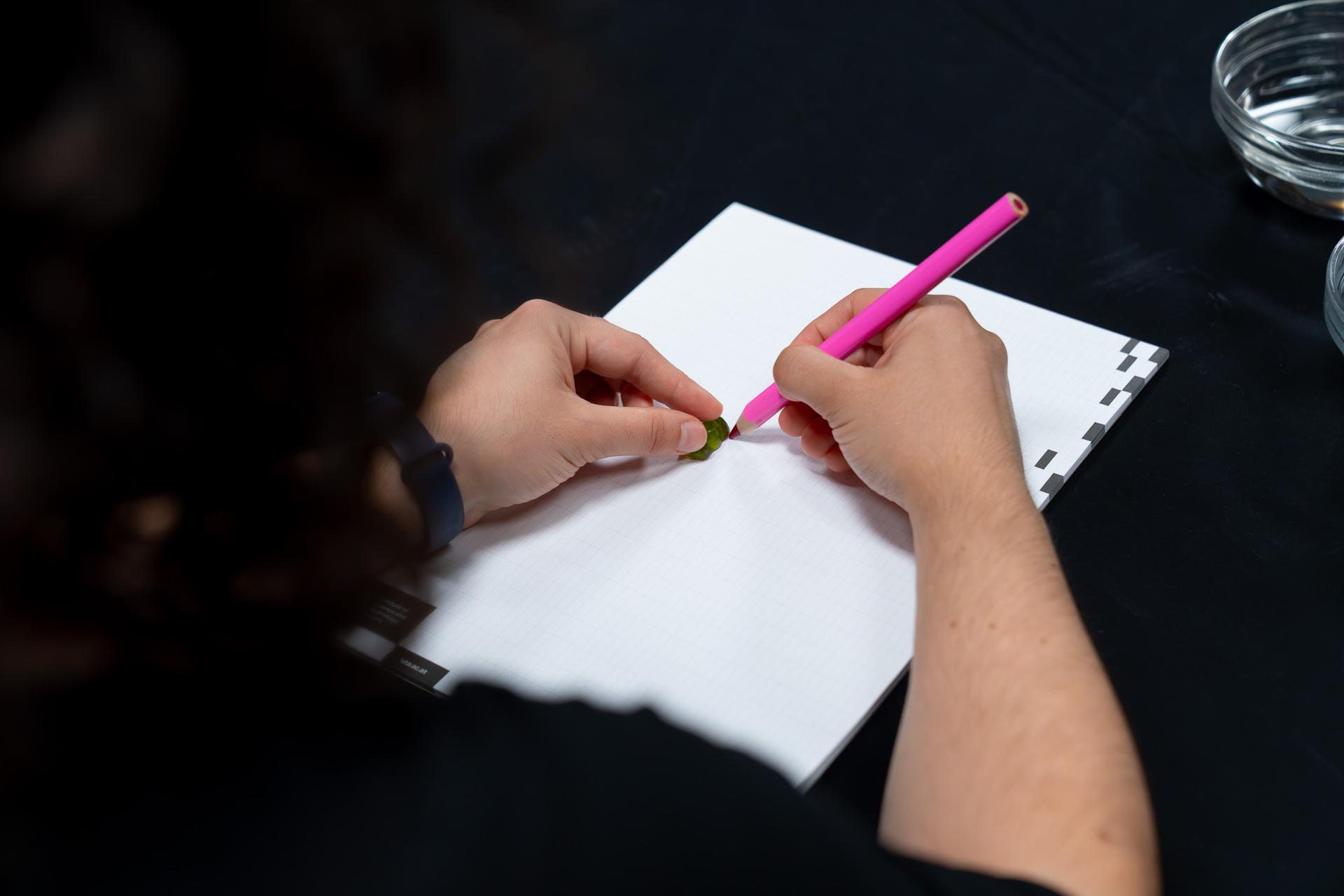
Paper and pencil for drawing
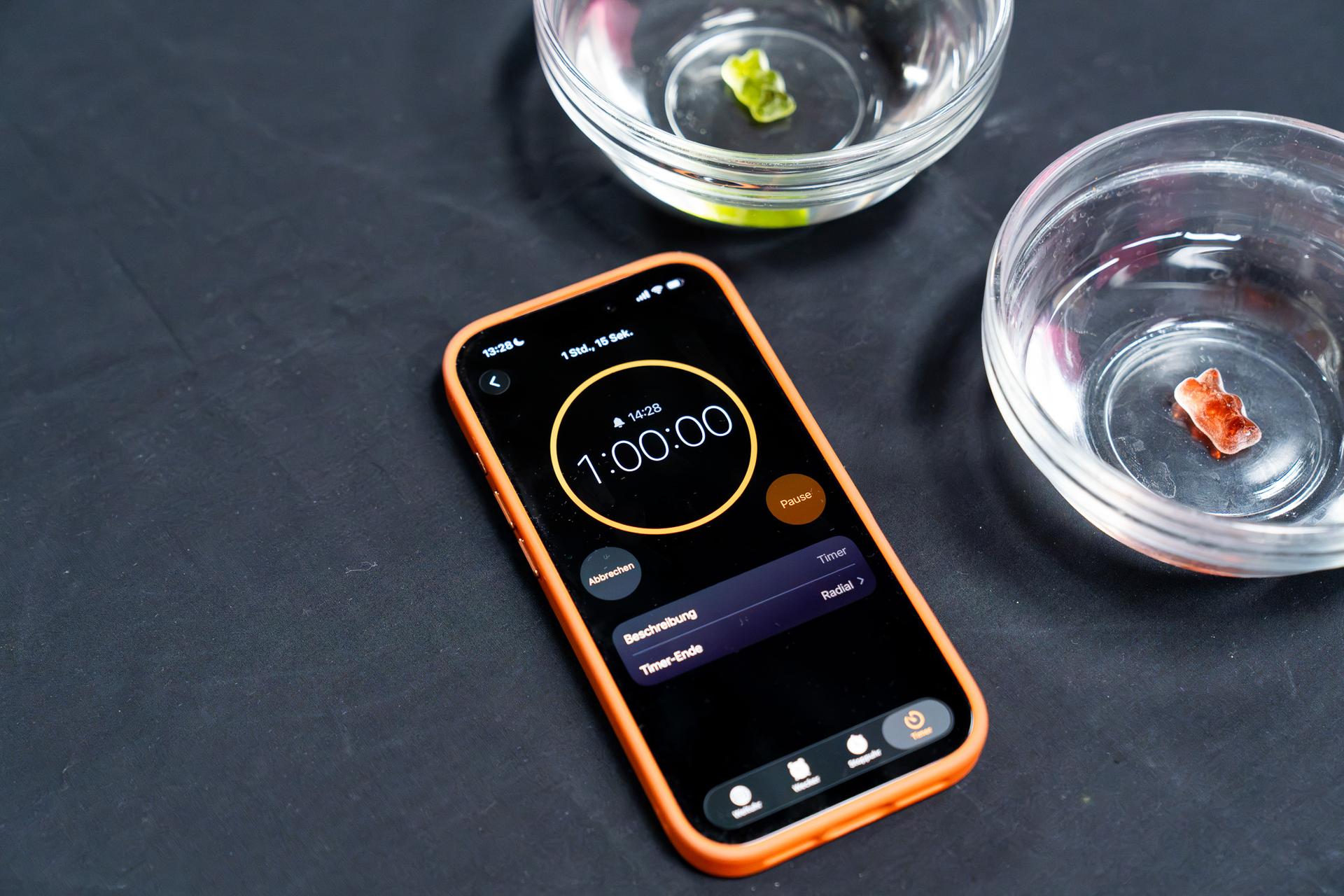
Timer or clock
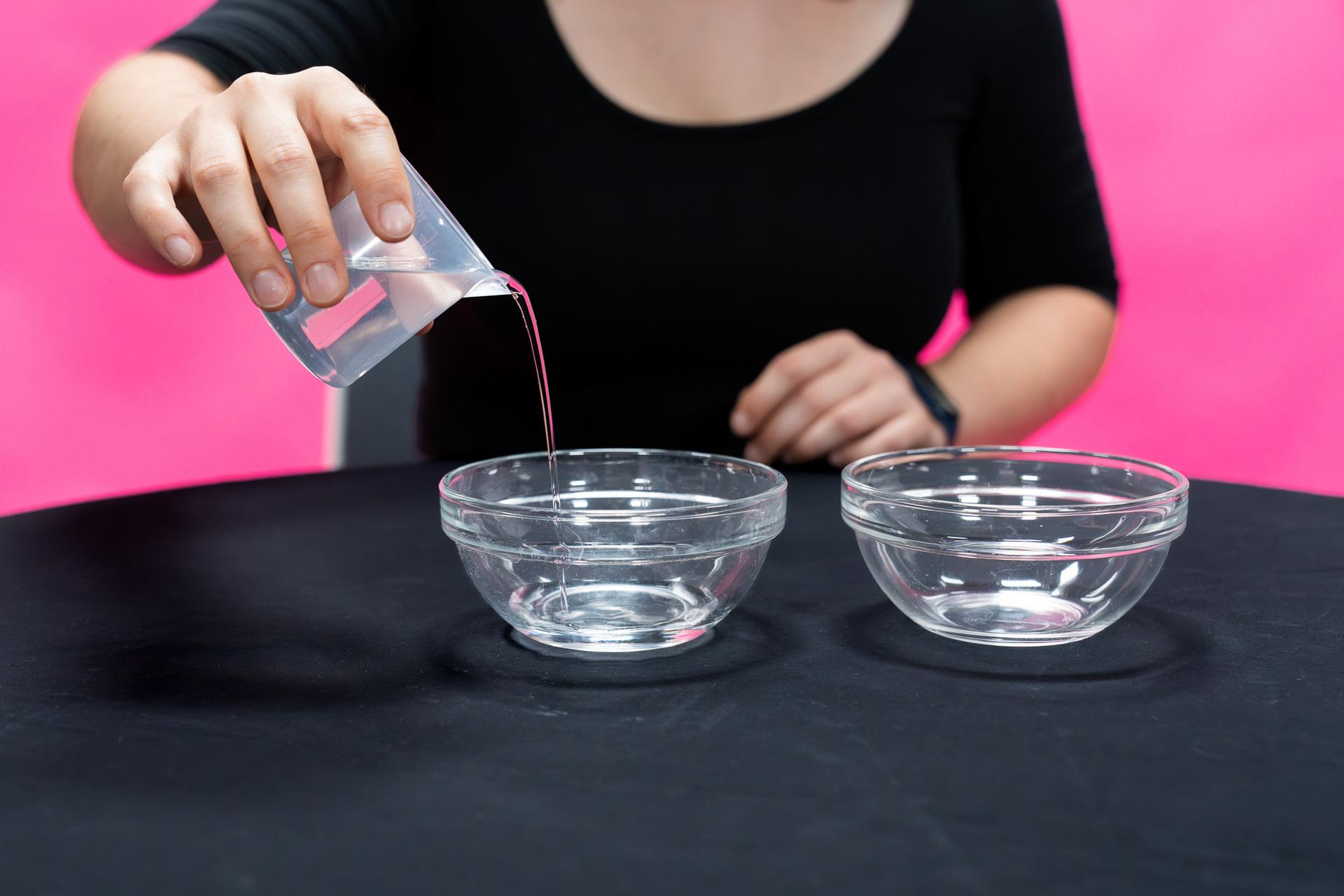
Step 1
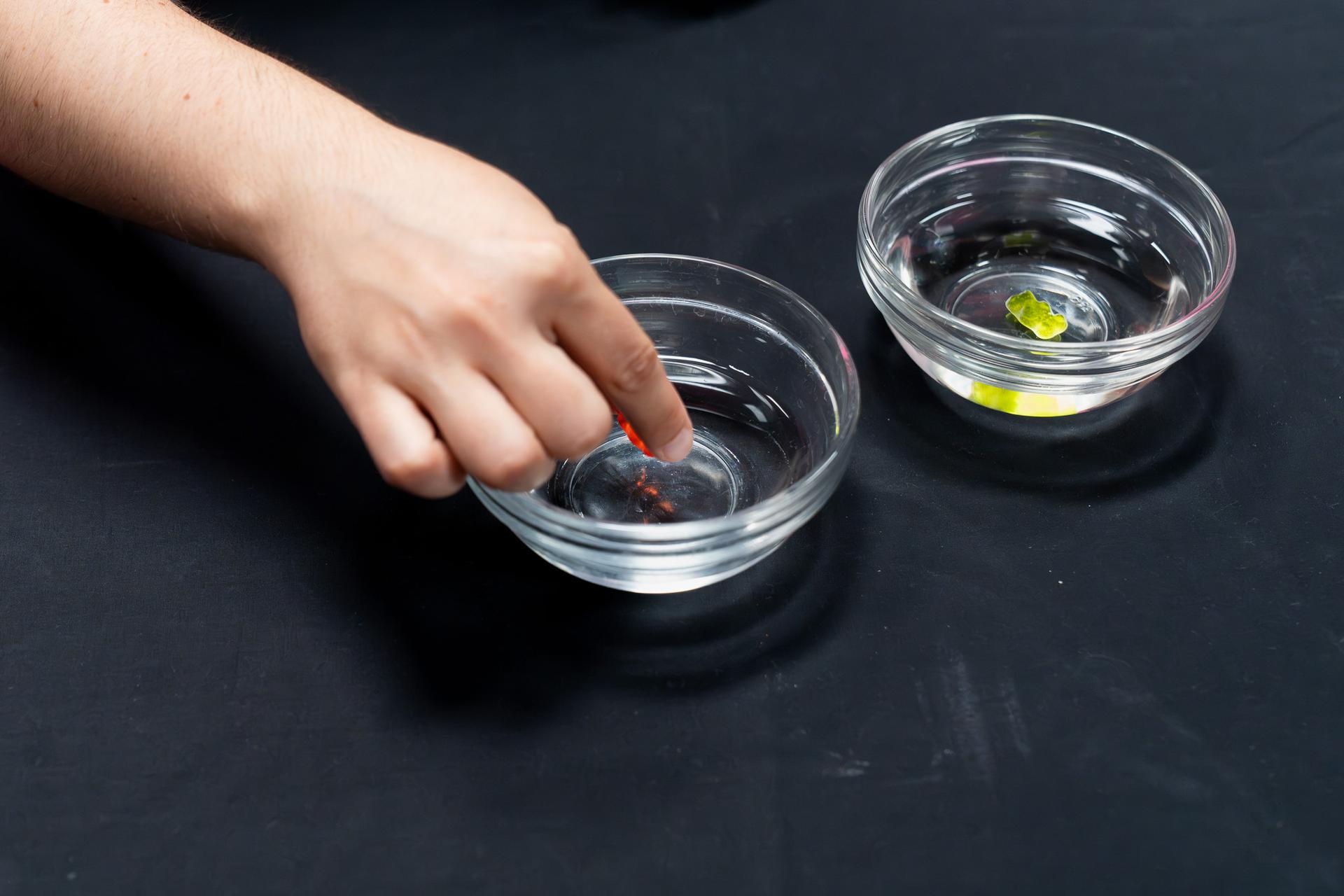
Pour about 100 ml of water into each bowl.
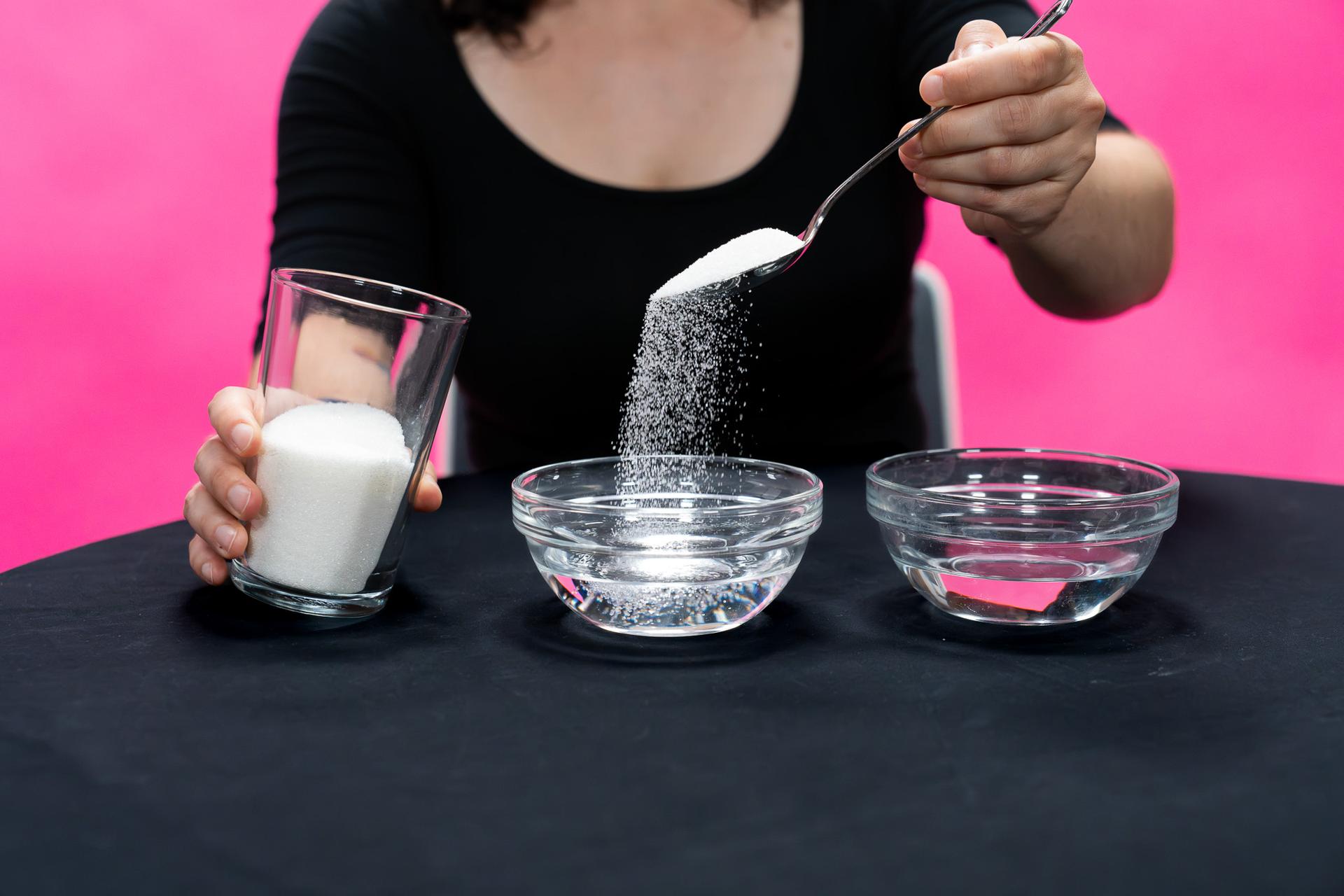
Step 2
Add two tablespoons of sugar to one of the bowls and stir well until it's mostly dissolved. The other bowl stays with plain water.
Keep exploring!
How much does the weight of the gummy bears change if you weigh them before and after the experiment?
Do the grown gummy bears taste different from the dry ones?
What happens if you use even more sugar in the second solution?
Good to know!
Osmosis shows up in your kitchen in other ways too: when pickling cucumbers or curing meat, salt draws water out of the cells – the exact opposite of what happens with the gummy bears, which absorb water through the sugar solution.
Background knowledge
At ISTA, many research groups study how molecules move, interact, and pass through barriers – just like the water flowing into the gummy bears. Some study this from a biological perspective, exploring how cells control what enters and leaves them. Others study how molecules flow through tiny channels, and some use computers to simulate how particles move. The principle you learned about in this experiment underlies many phenomena studied at ISTA every day.