Vista Science Experience CenterLogo of Vista Science Experience Center featuring stylized geometric shapes and text
  • Plan your visit
    • General information
    • Opening hours and directions
    • Contact
    • VISTA Coffee Lab
    • For Adults and Students
    • For Families
    • For Schools
    • For Groups
    • Accessibility
  • Program
    • Exhibition Tours
    • Workshops
    • Events
    • Training Courses
    • Sommercamps
    • Neuroscience Academy
    • Young Talents Club
    • Artist Residency
  • Explore
    • Article
    • Experiments
    • Teaching ideas
  • About us
    • Mission
    • VISTA Science Experience Center
    • Team
    • Supporters
    • Press
    • ISTA
  • Book
de
Vista Science Experience CenterLogo of Vista Science Experience Center featuring stylized geometric shapes and text
de
  • Plan your visit
  • Program
  • Explore
  • About us
  • Book
Subscribe to Newsletter

Science never stands still…
The VISTA newsletter keeps you updated on events, exhibitions, and other offerings.

I want to receive the VISTA newsletter and accept the Privacy Policy.

VISTA Science Experience Center
Institute of Science and Technology Austria (ISTA)
Am Campus 1
3400 Klosterneuburg

Contact Information

Direction
Contact

Footer Navigation

Child Protection Concept
Supporters

Legal Information

Imprint
Data Protection
Terms and Conditions

Social Media Links

VISTA Science Experience Center
Institute of Science and Technology Austria (ISTA)
Am Campus 1
3400 Klosterneuburg

Footer Navigation

Child Protection Concept
Supporters

Contact Information

Direction
Contact

Legal Information

Imprint
Data Protection
Terms and Conditions

Social Media Links

  • Back to the program

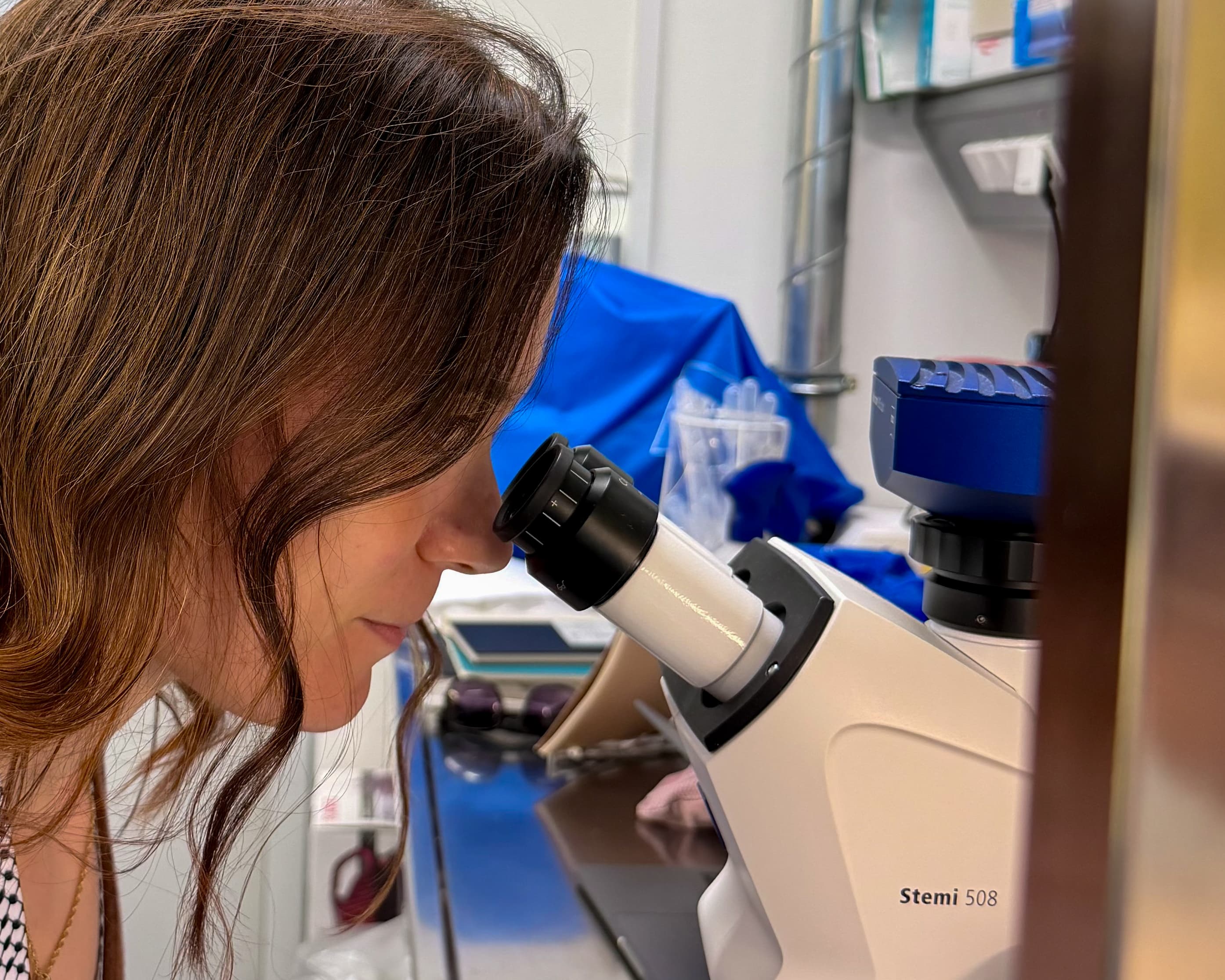
Meet the Scientist: Carolina Barata

Individuals

Mo
Tu
We
Th
Fr
Sa
Su

One blueprint, two bodies – how did genes shared between males and females evolve?

Females and males of many species differ in numerous and sometimes striking ways. Lions have manes while lionesses don’t, some male birds perform elaborate dances to attract females, and male elephant seals have long noses while females don’t. Yet females and males share most, if not all, of their chromosomes. So how can two bodies built from essentially the same genetic blueprint end up looking so distinct? Which genes are involved, how are they switched on and off differently in females and in males, and how have these differences evolved?

You will meet evolutionary biologist Carolina Barata. After telling you about her research, she will take you on a tour of the interactive exhibition “Science in the Making”.

The tour will be held in English.

Recommended for ages 12+. For children under 14, the presence of an accompanying adult is required. Tickets must be booked for all attendees.